
Loading...
Loading...
Loading...

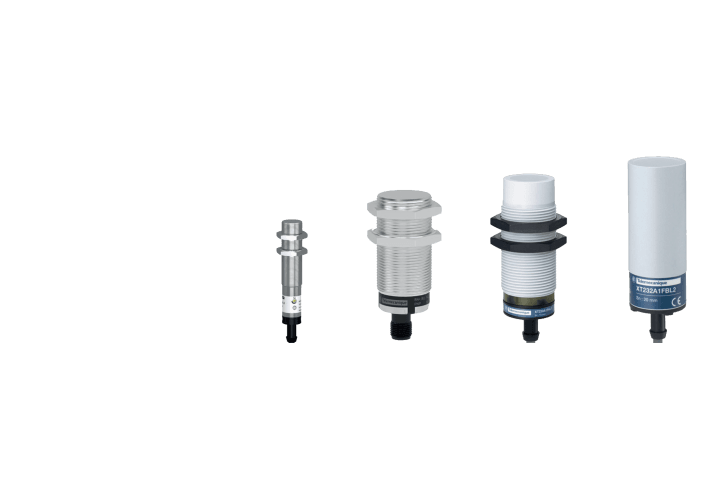
An electrical field is created between 2 electrodes on the front face of the sensor. These electrodes constitute a capacitor with a capacitance of C = e0 * er * A/d. When an object of any material (er > 2) passes the sensing face of the sensor, it modifies the coupling capacitance (C1). This variation in capacitance (C1 > C0) instigates the starting of the oscillator which, in turn, causes the output driver to operate and provides an output signal.

In-house Engineers
All repairs are conducted by Lubi’s own experienced, factory-trained engineers—never outsourced. This ensures complete quality control, deep product understanding, and faster resolutions.OEM Certified Components
We use only original, OEM-certified spare parts in every repair job—no substitutes. This guarantees maximum compatibility, safety, and long-term performance for your equipment.Nationwide Service Network
With service hubs & field engineers spread across the country, help is always within reach. We support businesses in metros, tier-2 cities, & industrial zones—wherever you are.Post-Service Assurance
Our job doesn’t end with a repair—we offer optional testing reports, post-service diagnostics, and warranty coverage. You also get access to performance tracking and expert advice for future reliability.

From detection to measurement, our experts help you choose the right sensors for accuracy, reliability, and harsh industrial environments.
Get in Touch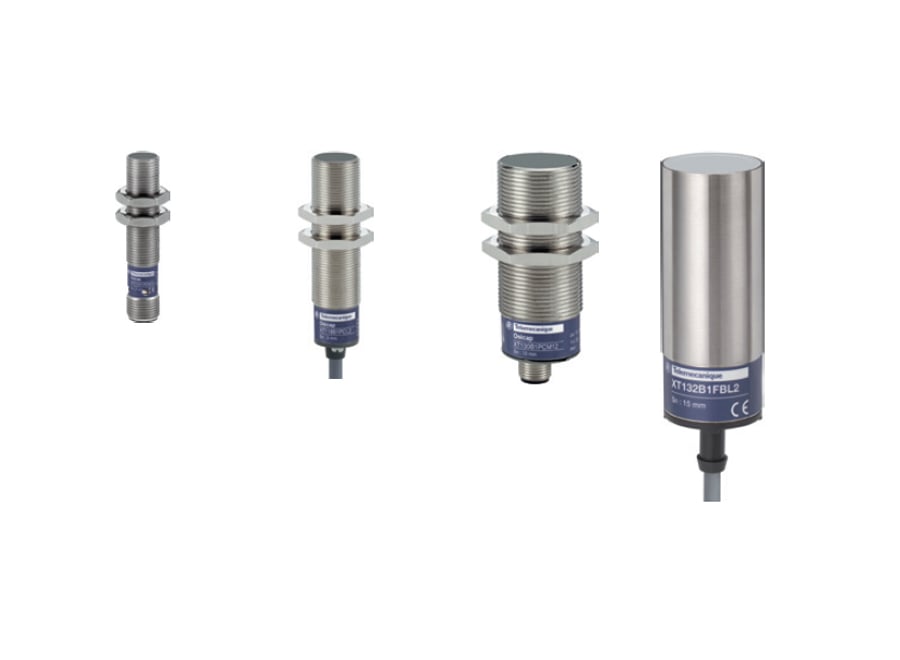 Flush Mountable-Metal Case Xt
The special feature of these versions is the shape of the electrical field which is rectilinear and confined within the dimensions of the product. Cylindrical and block type models used for the detection of insulated materials, conductive materials or liquid through an insulated partition with a maximum thickness of 4 mm.
View Series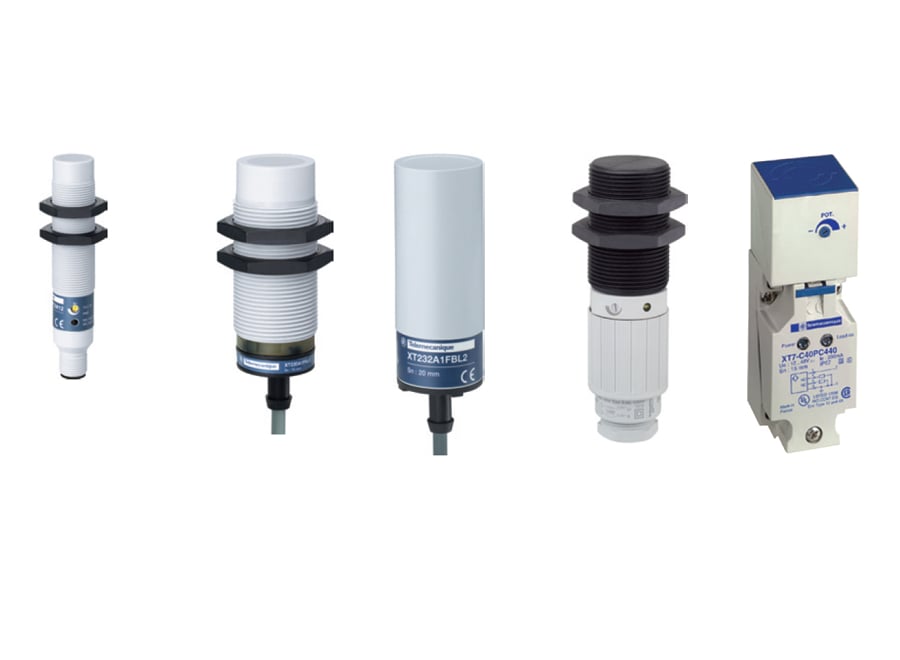 Non-Flush Mountable - Plastic Case Xt
The spherical shape of the electrical field enables detection of any type of material whether it be solid, liquid, granular… Detection can be achieved through a partition or by direct contact (immersion) of the active surface with the object to be detected. Distances to be adhered to around the sensing face.
View Series