
Loading...
Loading...
Loading...


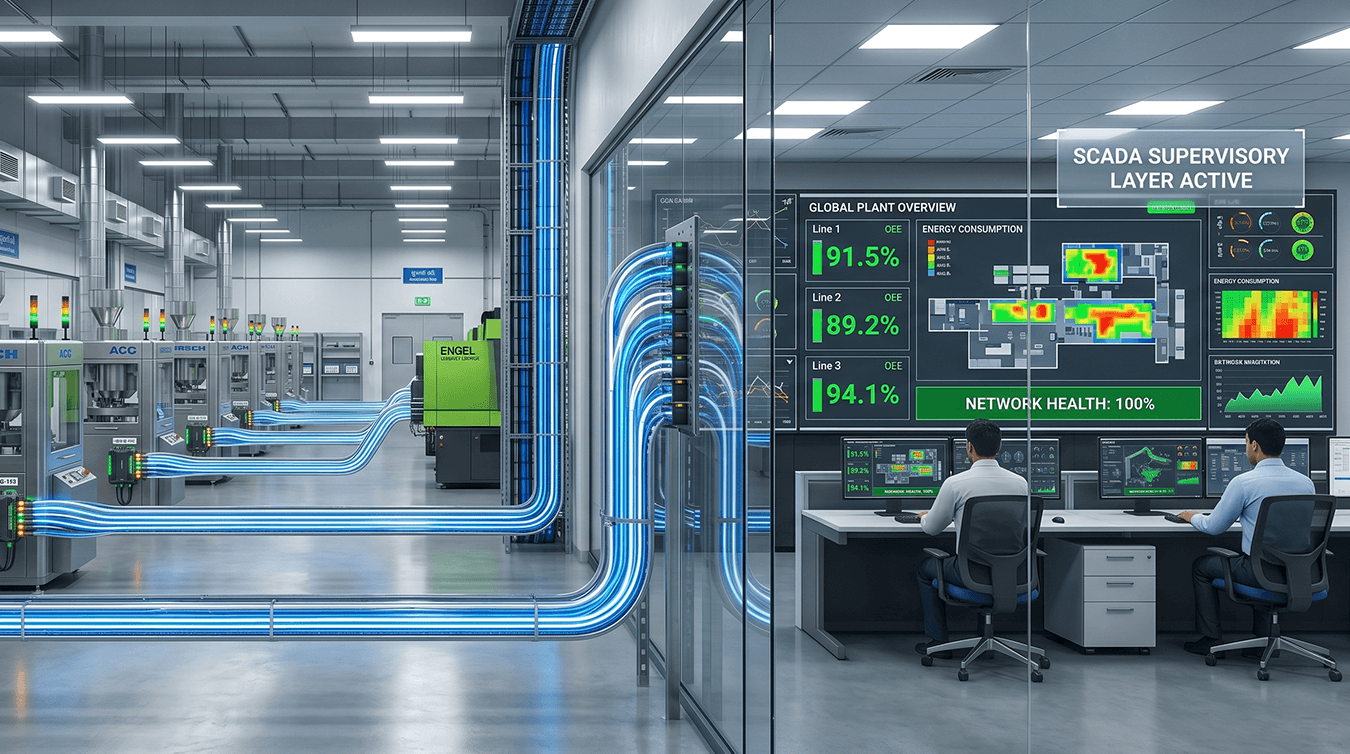
Industrial plants are no longer defined by the number of machines installed, but by how effectively those machines are interconnected, monitored, and controlled. In many facilities, high performance equipment operates in silos, resulting in fragmented data, limited visibility, and delayed decision making.
This lack of integration restricts the true potential of production systems.
Plant level automation, enabled through Industrial Internet of Things architecture, advanced SCADA platforms, and industrial communication gateways, establishes a unified ecosystem where machines, data, and control systems operate in synchronization.
Traditional automation focused on individual machine efficiency. However, modern manufacturing demands system level intelligence where every asset contributes to overall plant performance.
Without a centralized communication and monitoring framework, industries face persistent operational inefficiencies. Machine level data remains underutilized, fault conditions are identified late, and production optimization becomes reactive rather than strategic.
A connected automation infrastructure addresses these limitations by introducing real time data acquisition, centralized supervision, and seamless communication across multiple machines and production lines.
A well engineered connected plant is built on a layered architecture that ensures reliability, scalability, and interoperability across different systems.
At the field level, sensors and controllers capture critical operational parameters such as load conditions, temperature variations, cycle times, and energy consumption. This data is transmitted to programmable logic controllers, forming the primary control layer.
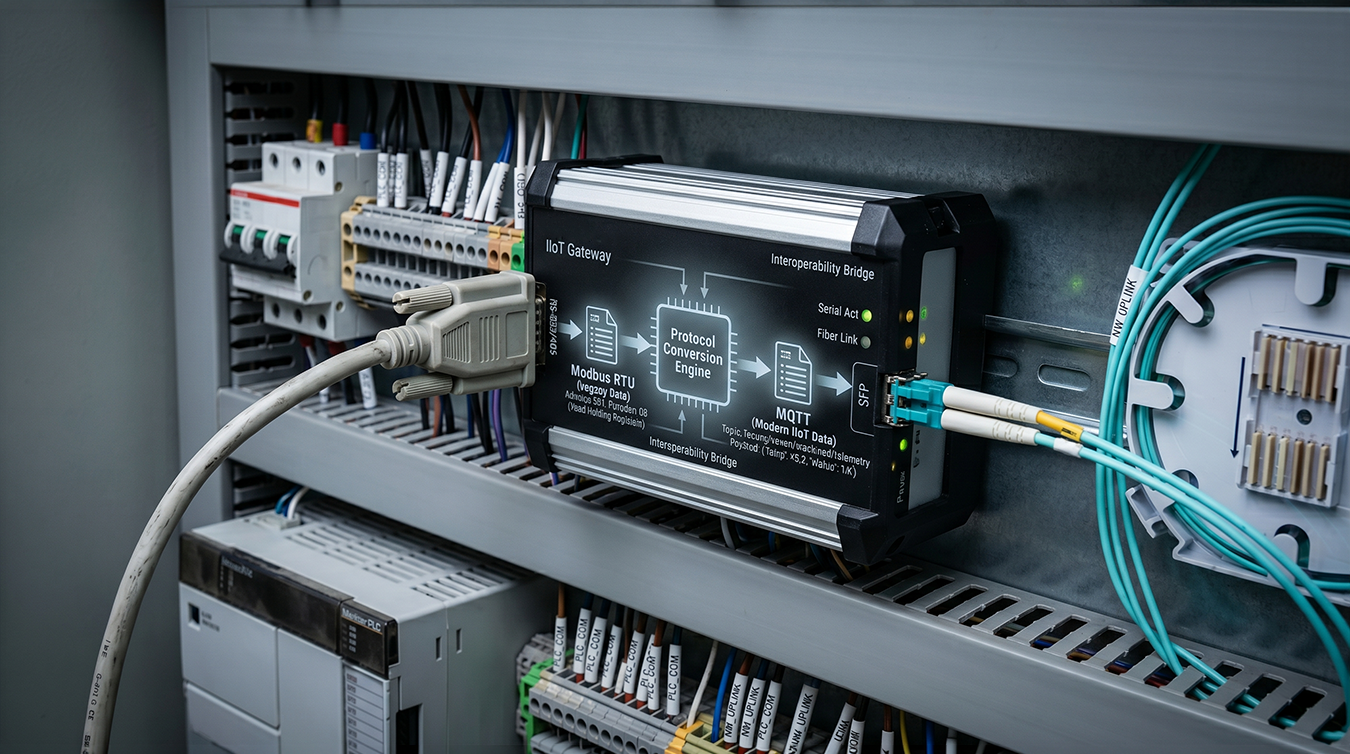
Industrial IIoT gateways then act as protocol converters and data aggregators, enabling communication between heterogeneous systems using standard industrial protocols. These gateways ensure that legacy machines and modern equipment can coexist within the same network.
The SCADA platform functions as the supervisory layer, providing centralized visualization, alarm management, and control capabilities. Operators gain complete plant visibility through intuitive dashboards, enabling faster and more accurate decision making.
Cloud based platforms extend this capability further by enabling remote monitoring, advanced analytics, and long term data storage. This creates a digital layer where performance trends, predictive maintenance models, and operational insights can be derived.
Indian industries operate under diverse conditions including variable loads, demanding duty cycles, and cost sensitive production targets. In such environments, connected automation systems deliver measurable operational advantages.
Centralized monitoring enables plant managers to supervise multiple machines and processes from a single interface, reducing dependency on manual supervision. Real time alerts and diagnostics significantly improve response time, minimizing production losses.
Data driven insights allow identification of inefficiencies such as energy overconsumption, idle machine time, and uneven load distribution. This leads to optimized resource utilization and improved throughput.
Predictive maintenance capabilities reduce unexpected breakdowns by identifying early warning signals, ensuring higher equipment availability and extended asset life.
The implementation of connected automation systems translates directly into tangible business outcomes. Reduced downtime, improved production consistency, and optimized maintenance strategies contribute to enhanced operational efficiency.
By enabling real time decision making and eliminating data silos, industries can achieve higher machine utilization and improved product quality. The reduction in manual intervention further lowers operational costs while improving safety and reliability.
Over time, the availability of historical and analytical data supports continuous improvement initiatives, allowing plants to scale operations without proportional increases in cost or complexity.
This results in a strong and measurable return on investment, making connected automation a strategic necessity rather than a technological upgrade.
Lubi Electronics delivers engineered automation solutions designed to transform conventional plants into intelligent, connected ecosystems. The approach focuses on seamless integration of SCADA systems, IIoT gateways, and industrial communication networks to establish a robust and scalable automation infrastructure.
With deep expertise in system integration and application understanding, solutions are tailored to align with specific plant requirements, ensuring compatibility with existing systems while enabling future expansion.
From centralized monitoring to cloud enabled analytics, the objective is to provide complete operational visibility, enhanced control, and data driven decision making capabilities.
The future of industrial operations lies in connectivity, visibility, and intelligence. Plants that continue to operate with isolated systems will face increasing challenges in efficiency, scalability, and competitiveness. A connected plant environment, powered by IIoT, SCADA, and advanced communication frameworks, transforms raw operational data into actionable intelligence. This shift enables industries to move from reactive operations to predictive and optimized performance.
For organizations aiming to enhance productivity, reduce operational risks, and achieve sustainable growth, the integration of centralized automation systems is no longer optional. It is a critical step towards building a future ready manufacturing ecosystem.
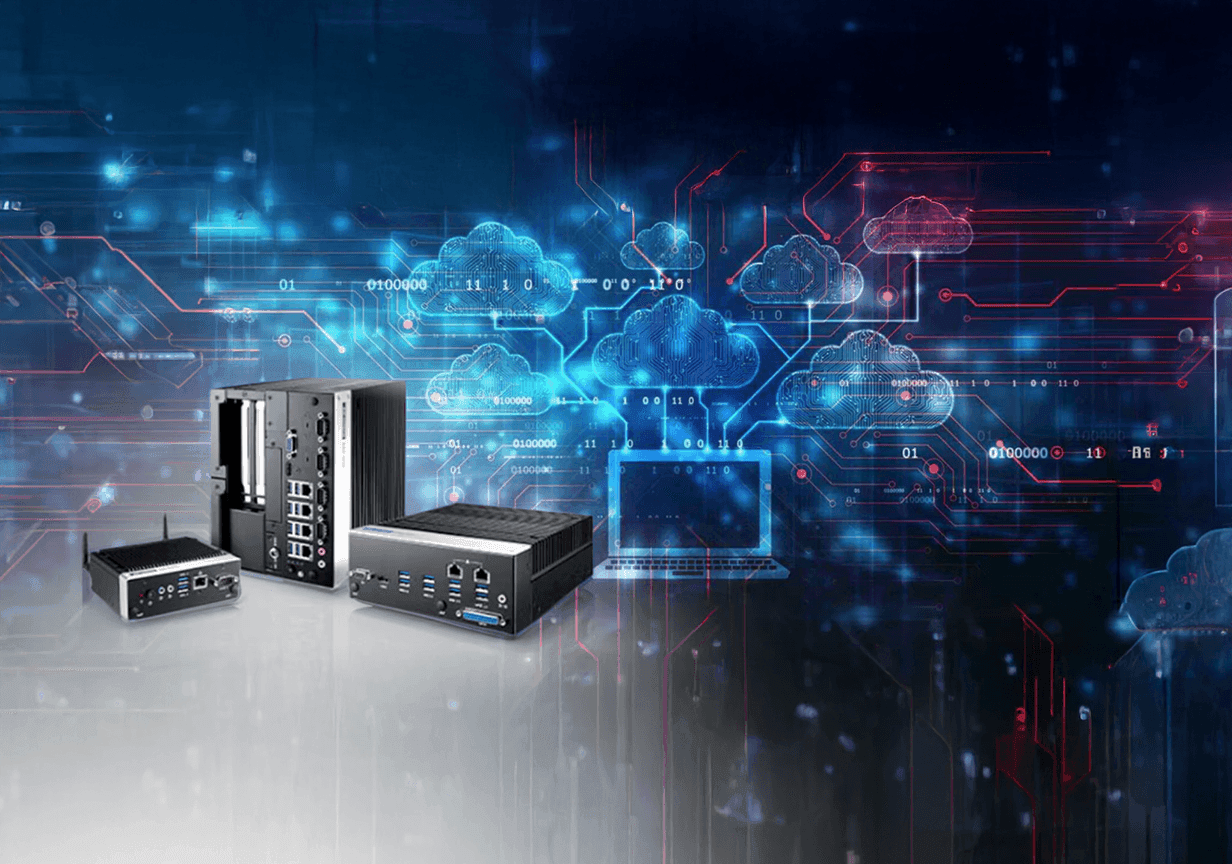
Cloud computing is the delivery of a diverse range of IT services via the Internet.
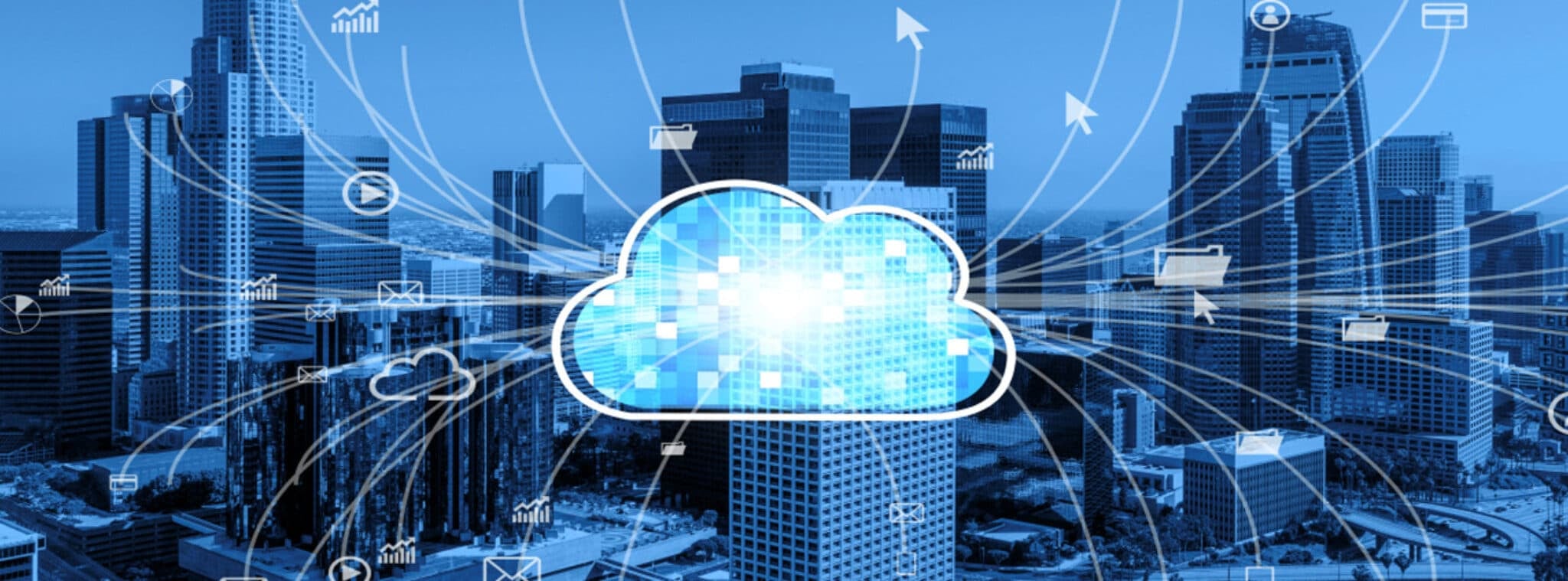
IIoT stands for Industrial Internet of Things and signifies to use of internet-connected devices and sensors in various industrial sectors to collect, monitor and analyze data for improved efficiency, productivity and decision making
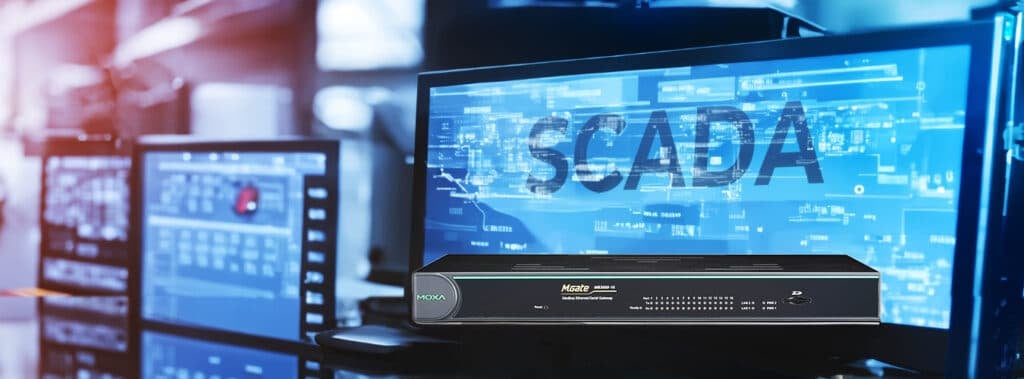
In the world of industrial automation, Supervisory Control and Data Acquisition (SCADA) systems play a pivotal role in monitoring and controlling large-scale industrial processes.