
Loading...
Loading...
Loading...


A Practical Perspective from the Factory Floor
Indian manufacturing has always been built on strong engineering skills, hardworking teams, and a constant effort to improve productivity. Many factories started their journey with basic industrial automation solutions, standalone machines, and manual reporting systems. Production was running, machines were working, and teams were managing operations with experience and discipline.
But over time, something started becoming clear inside many plants. Production managers were asking simple but powerful questions.
These questions slowly opened the door to a larger transformation across Indian industries. That transformation is known as Digital Transformation in Industrial Automation.
Understanding Digital Transformation in Simple Terms
Digital transformation in automation means converting traditional industrial operations into connected, intelligent, and data driven manufacturing environments.
Machines no longer operate as isolated equipment. Instead, they become part of a connected ecosystem where machines, sensors, Machines, sensors, industrial panel PCs, and analytics systems continuously exchange information.
Earlier, factories relied on experience and manual observation. Now factories rely on real time operational intelligence.
The goal is simple.
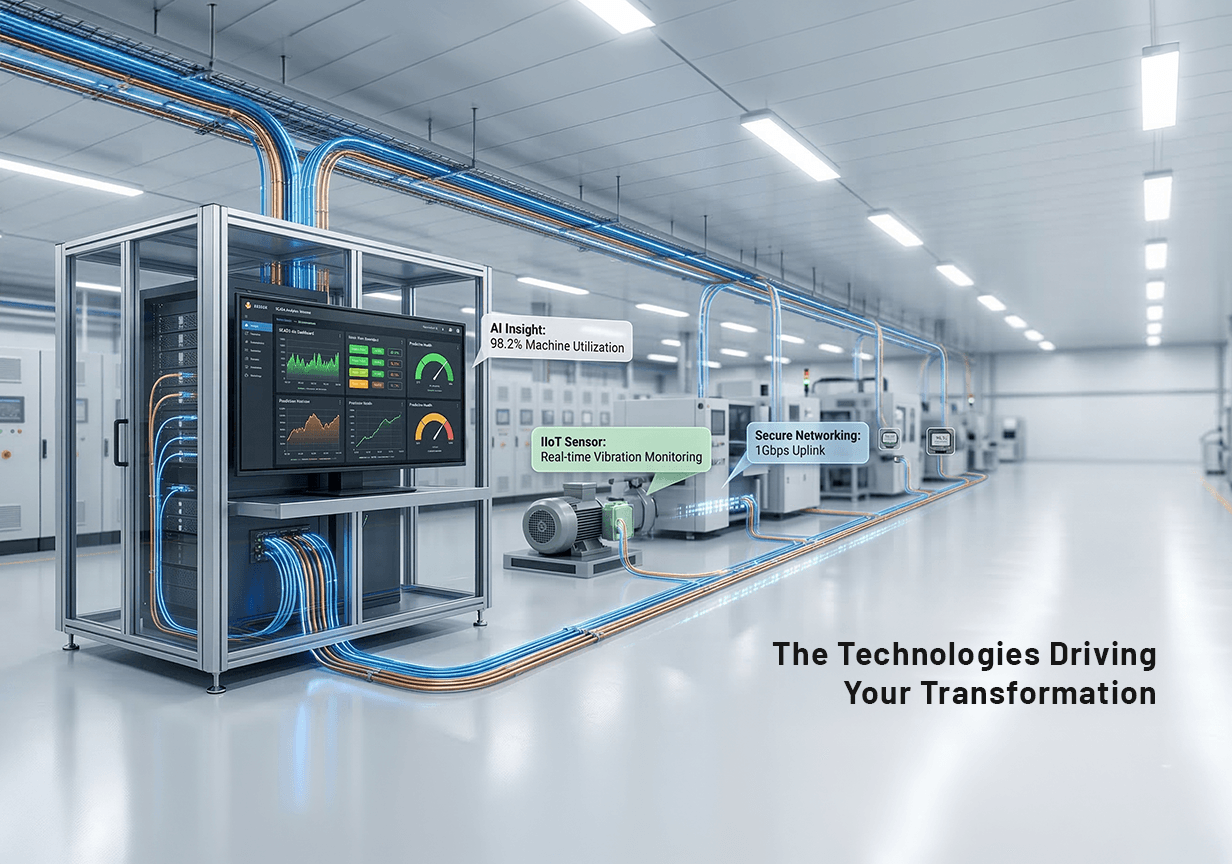
Technologies Driving Digital Transformation in Industrial Automation
Digital transformation is not a single product or system. It is a combination of technologies working together to create connected industrial ecosystems.
Industrial Internet of Things (IIoT)
Industrial IoT connects machines, sensors, and control systems to collect real time operational data. Temperature, vibration, production counts, and energy usage are continuously monitored. This data becomes the foundation for intelligent decision making.
SCADA and Centralized Monitoring Platforms
Supervisory control and monitoring systems collect plant wide information and present it through centralized dashboards. Production managers can view machine status, alarms, and performance indicators from one platform instead of visiting each machine physically.
Industrial Data Analytics
Factories generate massive amounts of operational data. Data analytics tools convert this information into insights such as production efficiency, machine utilization, and process optimization opportunities.
Artificial Intelligence and Machine Learning
AI systems analyze historical data patterns to predict potential equipment failures, detect process abnormalities, and improve quality control. This allows industries to move from reactive maintenance to predictive maintenance.
Industrial Networking Infrastructure
Reliable industrial networking solutions connect PLCs, sensors, industrial computers, and enterprise systems securely. Networking acts as the backbone of digital transformation. Without robust communication architecture, intelligent systems cannot function.
Robotics and Intelligent Vision Systems
Advanced robotics and machine vision systems are transforming assembly lines, quality inspection processes, and precision manufacturing applications. These technologies improve consistency and reduce manual errors.
Why Industries Are Moving Towards Digital Transformation
Increasing Global Competition
Indian manufacturers are competing with global production standards. Efficiency, quality consistency, and delivery timelines must meet international expectations. Connected automation systems help manufacturers maintain competitive production performance.
Rising Energy and Operational Costs
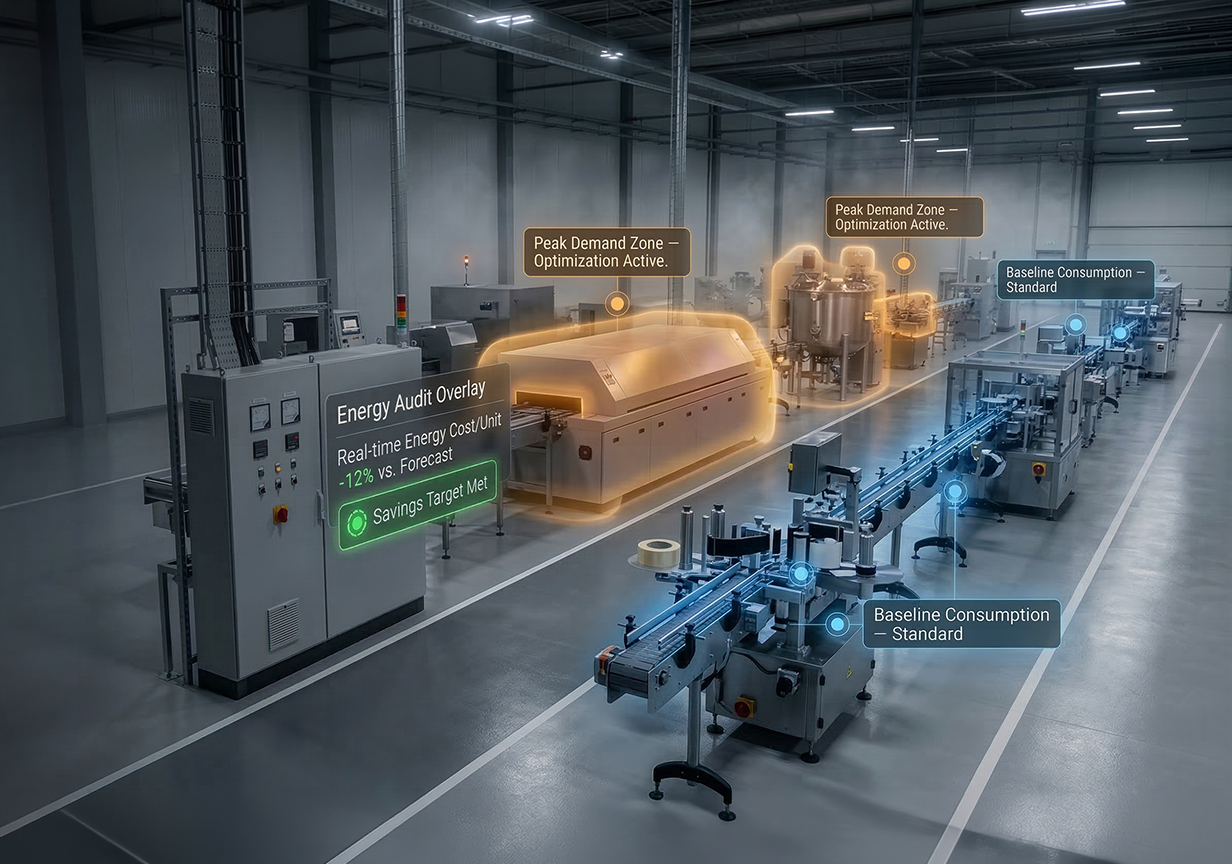
Energy cost management has become a major priority for industries. Real time energy monitoring systems help plants understand where energy is consumed and where improvements can be made.
Need for Higher Production Efficiency
Production demand continues to grow across sectors such as automotive, electronics manufacturing services, packaging, pharmaceuticals, and chemicals. Digital systems help improve machine utilization and reduce production bottlenecks.
Practical Benefits Seen on the Factory Floor
Improved Production Visibility
Plant managers gain real time visibility into production lines, machine performance, and operational conditions. Decisions can be taken instantly rather than waiting for end of shift reports.
Reduced Machine Downtime
Predictive maintenance systems monitor equipment health continuously. Maintenance teams receive alerts before failures occur, preventing unexpected breakdowns.
Better Product Quality
Intelligent inspection systems and data driven quality control processes help identify deviations early and maintain consistent production standards.
Lower Operational Costs
Optimized energy usage, improved machine efficiency, and reduced maintenance interruptions contribute to long term operational cost savings.
Data Driven Decision Making
Instead of relying only on experience or manual reporting, plant leadership teams can analyze real time operational data to plan production, maintenance schedules, and resource utilization more effectively.
Digital Transformation Does Not Mean Replacing Everything
One important aspect often misunderstood is that digital transformation does not require replacing existing machinery. Most factories already have strong automation foundations with PLCs, drives, and control systems.
Digital transformation focuses on integrating and upgrading existing infrastructure through networking, data acquisition systems, industrial computing platforms, and intelligent software layers.
This approach allows manufacturers to protect their existing investments while gradually building smarter operations.
Role of Automation Solution Providers
Automation solution providers play a crucial role in guiding industries through their digital transformation journey. Engineering teams help manufacturers understand their operational challenges, design suitable architectures, integrate new technologies with legacy systems, and ensure reliable system performance.
Successful digital transformation projects require deep industrial experience, strong system integration capabilities, and a clear understanding of manufacturing processes.
Technology alone does not transform factories. People do.
Operators who understand machines deeply, maintenance teams who know every vibration sound of equipment, and engineers who continuously improve processes are the real driving force behind industrial progress.
Digital technologies simply empower these teams with better information, faster insights, and stronger decision making capabilities.
When experience and technology work together, factories become smarter, safer, and more efficient.
Looking Ahead
Indian industries are moving steadily toward connected manufacturing environments. smart factory solutions, intelligent automation systems, and data driven production strategies are becoming essential elements of modern industrial operations.
Nowadays digital transformation is not a trend. It is a natural evolution of manufacturing. Factories that adopt these technologies thoughtfully will gain stronger operational control, higher efficiency, and greater resilience in an increasingly competitive industrial landscape.
And at the heart of this transformation lies a simple idea.
Connecting machines, data, and people to build smarter industries for the future.
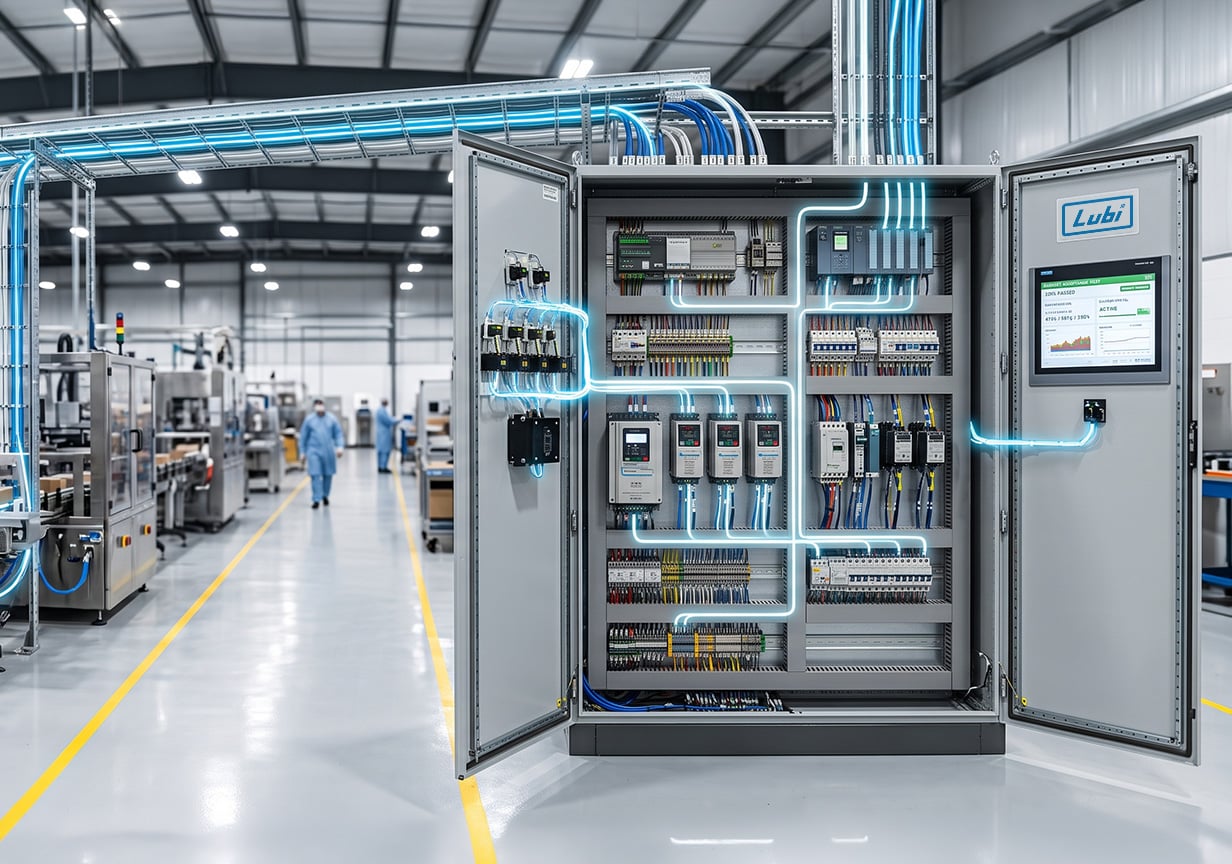
Discover how manufacturers can bridge operational silos by moving from isolated machine automation to connected smart factory orchestration. Learn how integrating legacy systems with IT/OT, MES, and analytics boosts OEE and reduces downtime without replacing existing machinery.
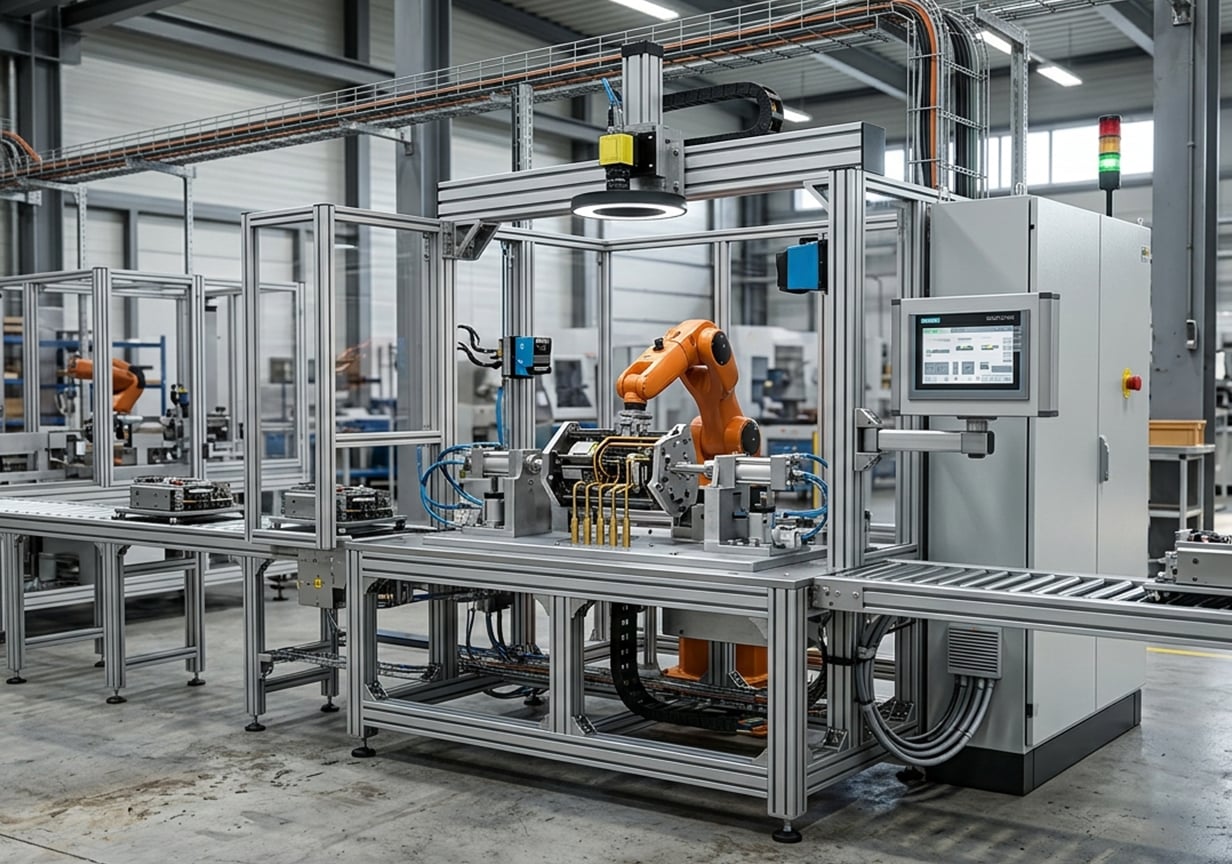
Discover how industrial test bench automation solutions enhance manufacturing quality and productivity. Read our blog to learn about smart testing systems and their impact on operational efficiency with Lubi Electronics.
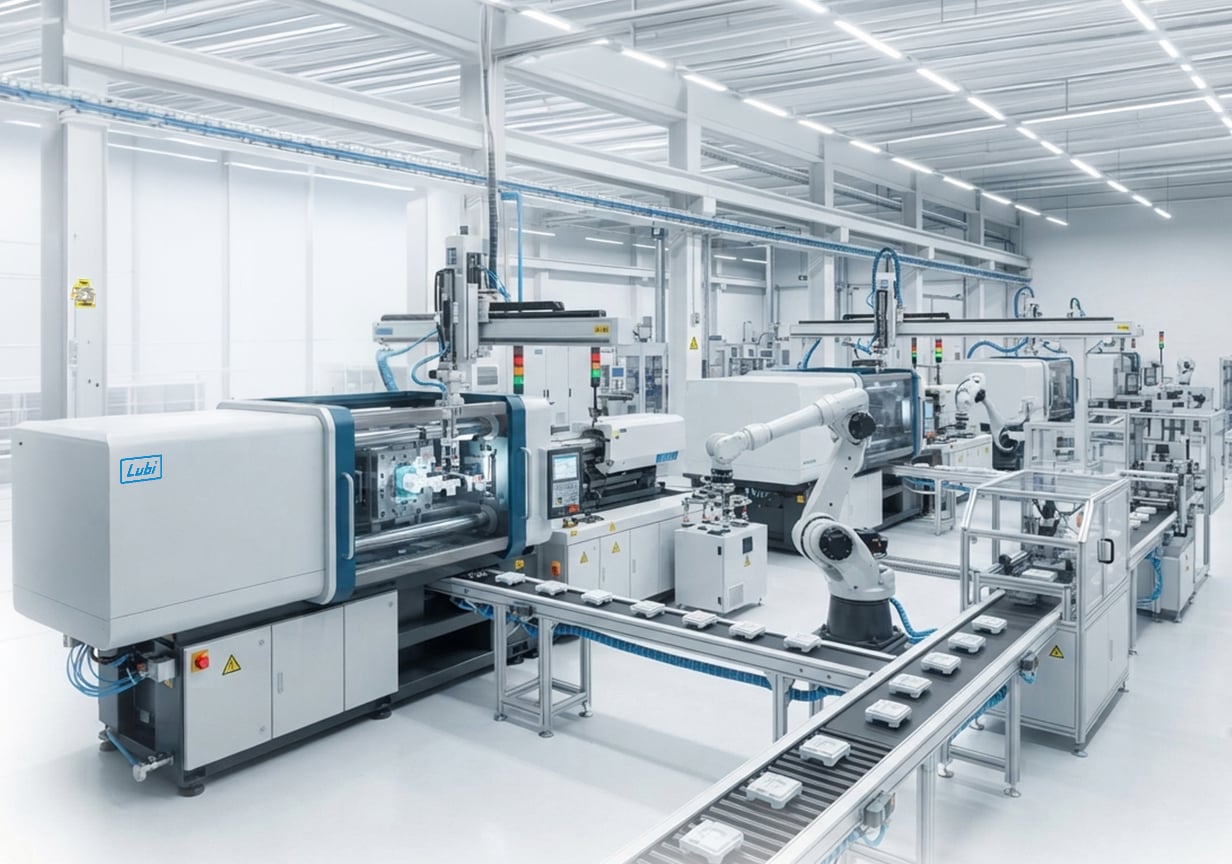
Discover how robotics is revolutionizing injection molding productivity in our latest blog. Learn actionable strategies to unlock maximum Overall Equipment Effectiveness (OEE) and streamline your manufacturing operations with intelligent automation from Lubi Electronics.