

Loading...
Loading...
Loading...


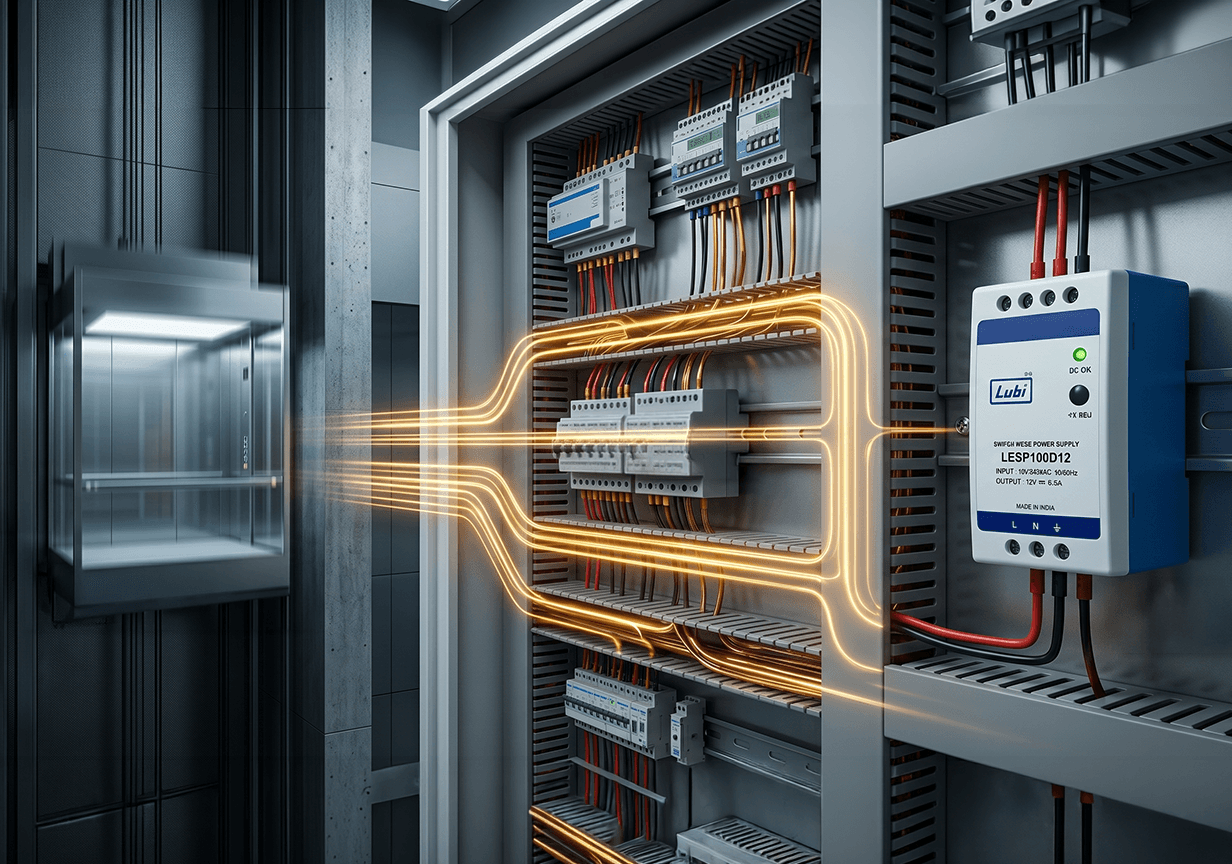
Elevators are expected to run smoothly every time. No delays. No sudden stops. No safety concerns. Behind this performance, one factor often goes unnoticed. Power quality.
Every control inside an elevator depends on stable DC supply. Controllers, relays, sensors, door systems, and communication modules all require consistent power to function correctly. Even a small fluctuation can impact performance and lead to faults.
This is where the role of SMPS becomes critical.
Elevators operate in demanding environments. Long duty cycles. Frequent start-stop operations. Fluctuating input voltages. Compact control panels with high temperature conditions.
If the power supply is not stable, it can result in control errors, unexpected shutdowns, and reduced component life. These issues directly affect passenger experience and increase service requirements.
A well designed SMPS ensures that all control components receive clean and stable power, regardless of input variations.
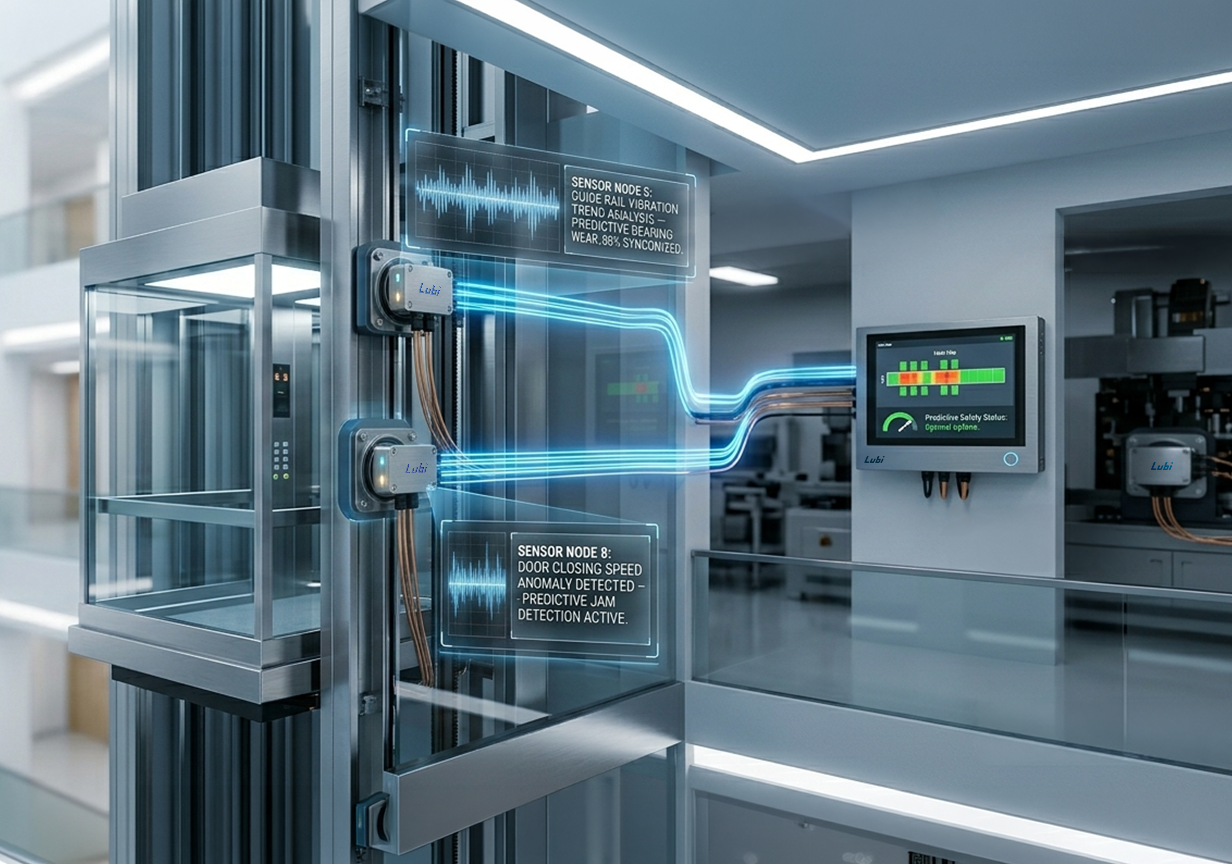
At Lubi Electronics, SMPS is designed with a clear focus on industrial reliability. Each unit is built to handle real operating conditions inside control panels. It maintains stable output even during voltage fluctuations. This ensures that PLCs, relays, and control boards operate without disturbance. Elevator movement remains smooth and consistent.
The design also supports continuous operation. This is important for elevators installed in residential towers, commercial buildings, and high usage environments where downtime is not acceptable.
Reliable SMPS performance leads to better overall system stability. Elevators operate without frequent faults, which improves user confidence.
Control components remain protected from voltage stress. This increases their lifespan and reduces replacement frequency. Maintenance teams face fewer breakdown calls. Service cycles become more predictable and efficient.
Energy efficiency also improves due to optimized internal design, helping reduce operational costs over time.
One of the strongest advantages comes from Lubi’s in house manufacturing capability.
Each SMPS is produced using controlled processes and tested under strict conditions. The focus is not only on product performance but also on consistency across every unit delivered.
Local manufacturing allows faster availability. Customers do not have to wait for long lead times. Project timelines remain on track. Technical support becomes more responsive. Any requirement related to selection, installation, or performance can be addressed quickly.
Customization is also easier. SMPS can be aligned with specific voltage ranges, load conditions, and panel requirements based on the application.
Elevator control panels often face high temperature and space constraints. Lubi SMPS is designed to perform reliably in such environments.
It offers compact design, efficient heat management, and stable output under continuous load. This makes it suitable for modern elevator systems where performance and space optimization both matter.
Choosing the right SMPS is not just a technical decision. It directly impacts system performance, service reliability, and customer satisfaction. With a reliable power foundation, elevator systems deliver smoother operation, reduced downtime, and longer equipment life.
For manufacturers and panel builders, this means fewer service issues, stronger customer trust, and better long term value.
Every elevator depends on consistent performance. And consistent performance depends on reliable power.
With Lubi SMPS, customers get a solution that is engineered locally, tested for real conditions, and built to support long term elevator operation with confidence.
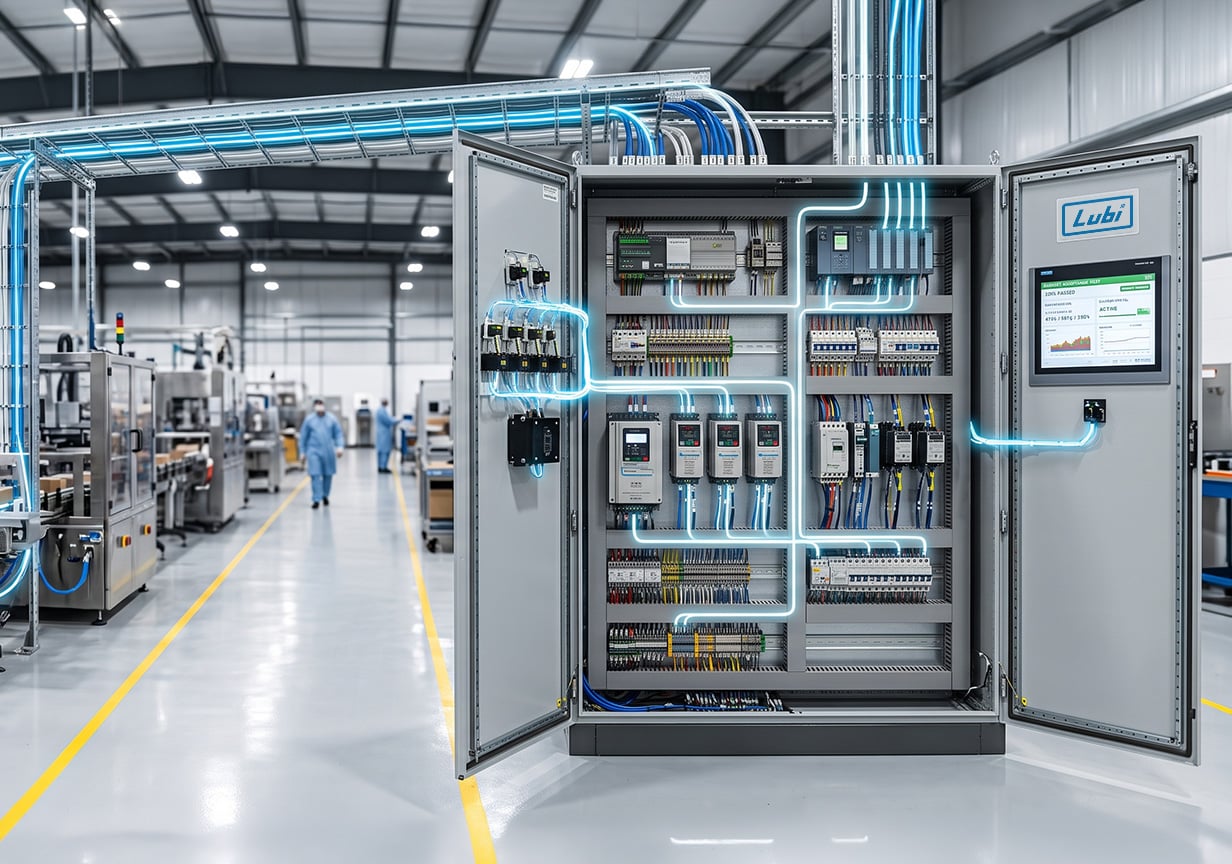
Discover how manufacturers can bridge operational silos by moving from isolated machine automation to connected smart factory orchestration. Learn how integrating legacy systems with IT/OT, MES, and analytics boosts OEE and reduces downtime without replacing existing machinery.
Ensure smooth and safe elevator operations with Lubi SMPS. Discover how these highly reliable switched-mode power supplies deliver the stable, uninterrupted performance your elevator systems demand.
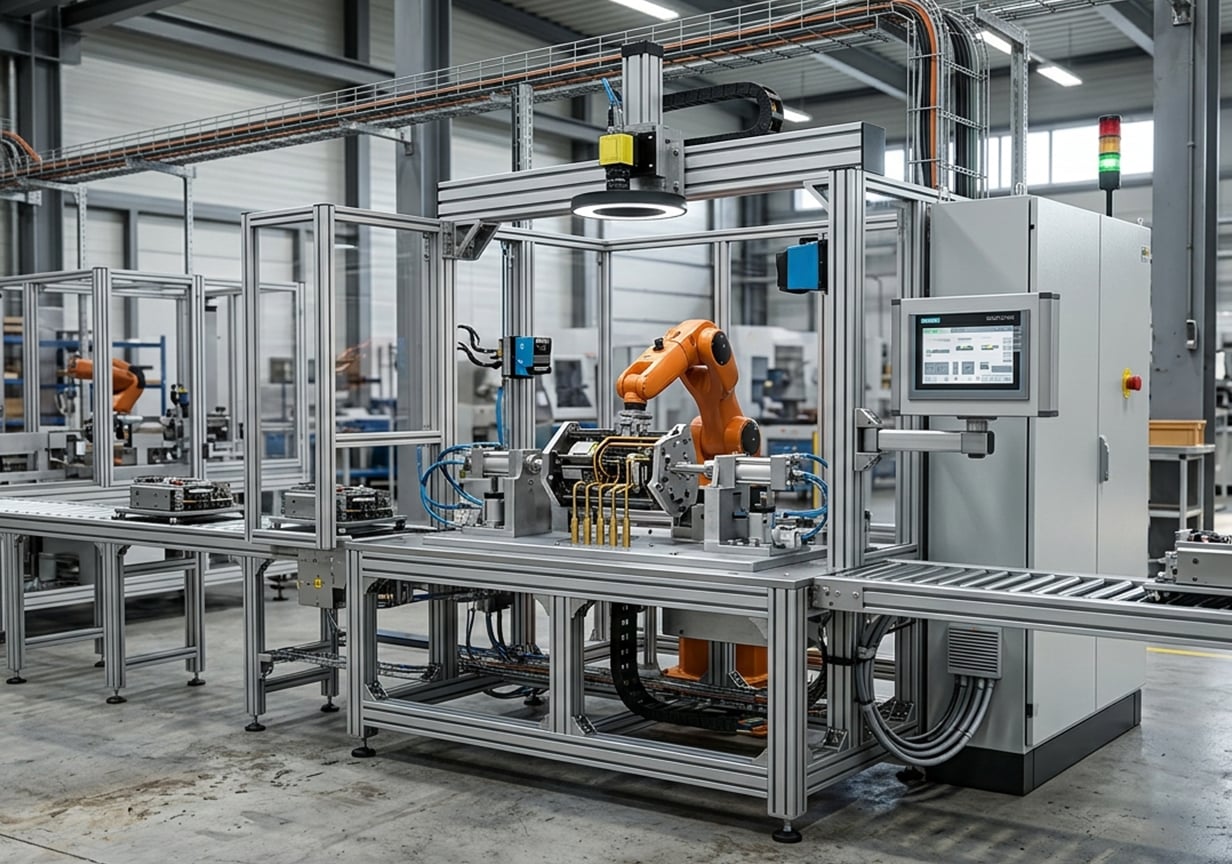
Discover how industrial test bench automation solutions enhance manufacturing quality and productivity. Read our blog to learn about smart testing systems and their impact on operational efficiency with Lubi Electronics.