
Loading...
Loading...
Loading...


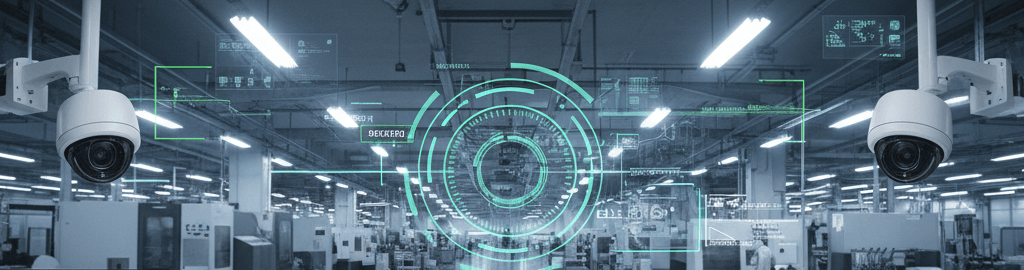
Walk into any factory today and you’ll see CCTV cameras everywhere—watching machines, people, materials, and processes. For years, these cameras were used only to record incidents after something went wrong. Today, with AI-powered Computer Vision, those same cameras are learning to analyze, understand, and act in real time.
This shift is quietly transforming how industries handle safety, quality, monitoring, and cost control—without changing existing infrastructure.
From Watching to Understanding: What Computer Vision Really Does
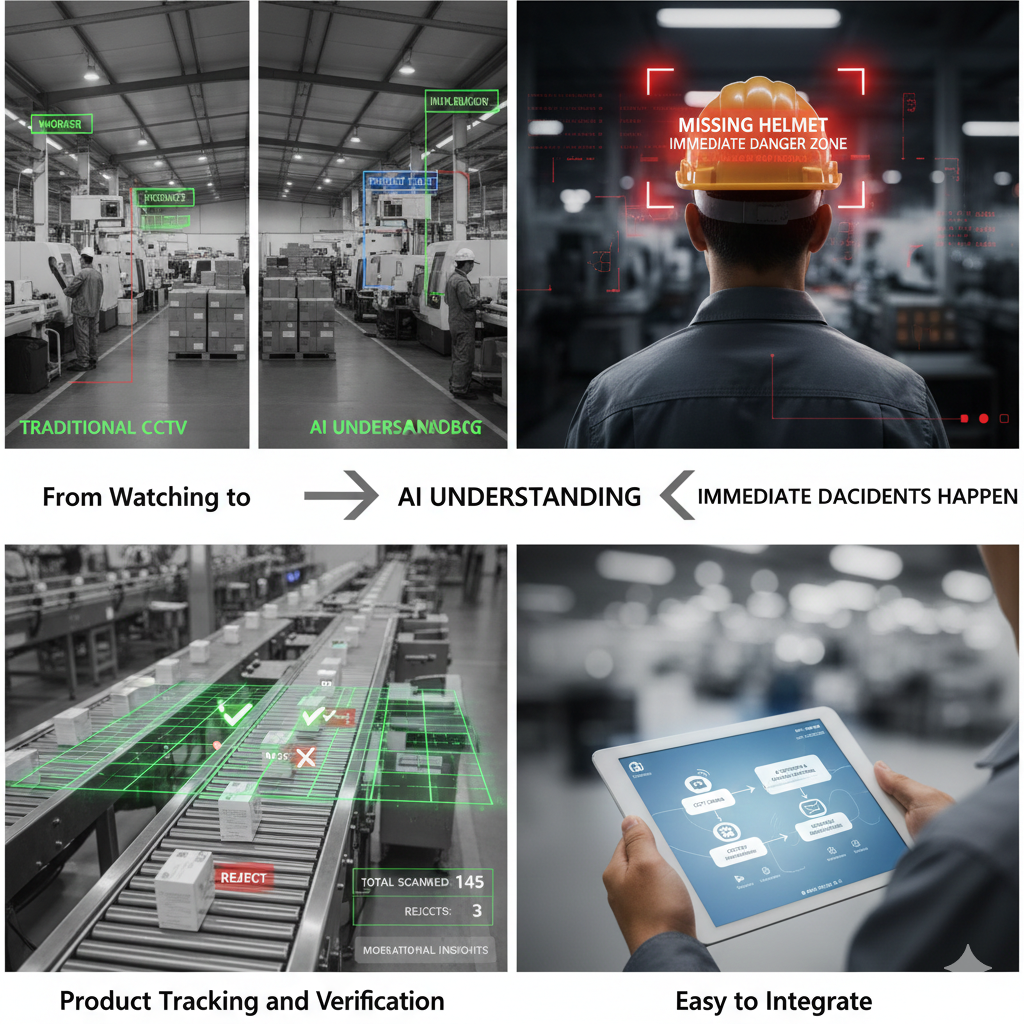
Computer vision goes beyond simply seeing. It understands what is happening in every frame. Each CCTV video is broken into thousands of images per minute. AI models analyze these frames much like a human observer—only faster, continuously, and without fatigue.
The system learns to recognize:
Once trained, the system can automatically track activities, flag abnormalities, and verify processes in real time.
How Every Frame Becomes Useful Data
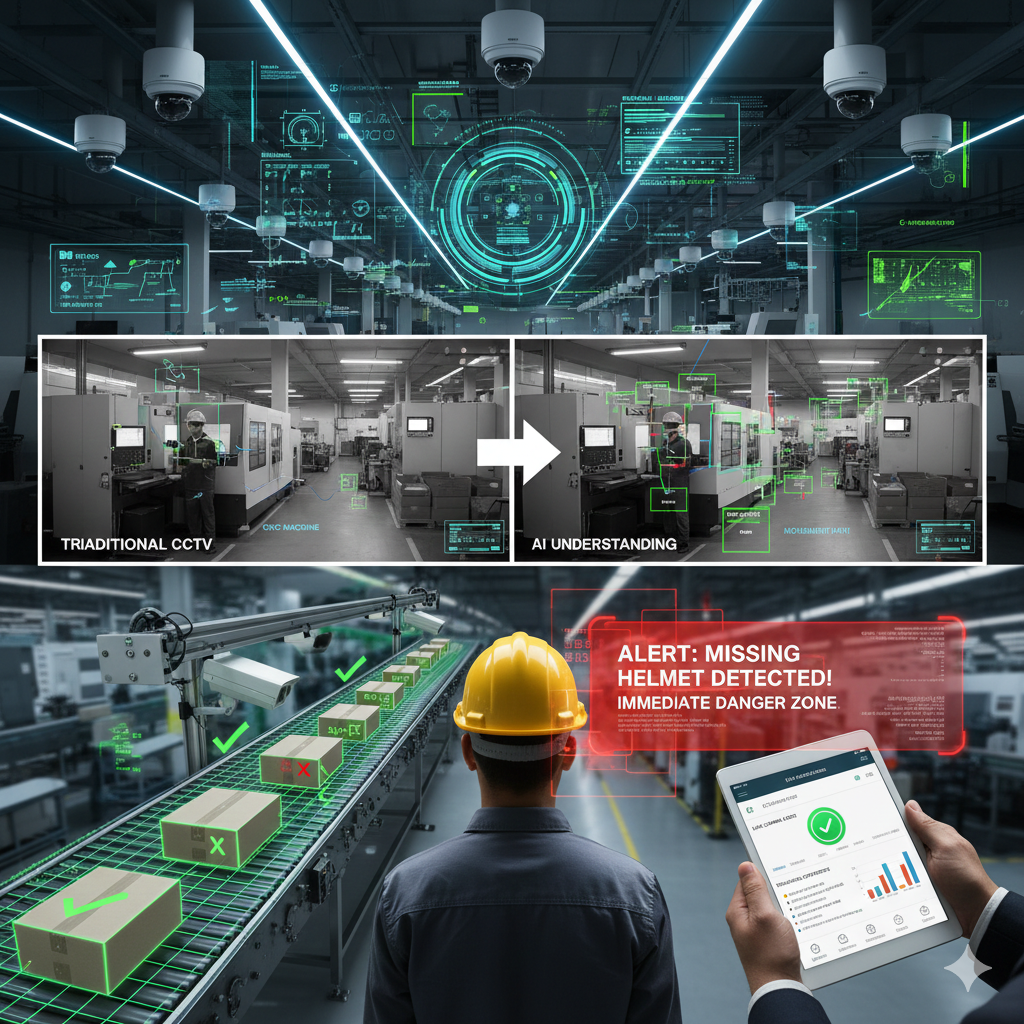
Think of each video frame as a page in a story. AI reads every page carefully:
This continuous analysis converts live video streams into actionable intelligence—not just recorded footage.
Where Industries Are Using Computer Vision Today
1. Proactive Safety Management
Computer vision instantly detects unsafe conditions such as missing safety gear, unauthorized zone entry, smoke, fire, or abnormal machine behavior—allowing teams to act before accidents occur.
2. Smarter Monitoring Without Extra Manpower
AI-powered vision systems operate 24/7 without fatigue, monitoring production lines, warehouses, and utilities—reducing manual supervision while improving accuracy.
3. Product Tracking and Process Verification
From ensuring correct component assembly to verifying labels, counts, and movement, computer vision ensures only compliant products move forward—reducing rejects and rework.
4. Cost Reduction Through Early Detection
Early identification of issues means fewer breakdowns, lower wastage, reduced downtime, and less dependence on manual inspections—directly impacting operational costs.
Easy to Integrate, Easy to Scale
One of the biggest advantages of computer vision is its ability to integrate with existing infrastructure. These solutions work seamlessly with current CCTV cameras, control systems, and dashboards.
Plants can start small—one line or one area—and gradually scale across operations as confidence and ROI grow.
Conclusion
Manufacturers today face increasing pressure to improve safety, productivity, and efficiency simultaneously. Computer vision addresses this challenge by transforming existing cameras into intelligent decision-making systems.
It’s no longer just about surveillance—it’s about visibility, intelligence, and control.
Our AI-based computer vision software is designed around real plant needs, helping organizations improve safety, boost productivity, and operate more efficiently. By combining automation hardware with intelligent software, we deliver reliable, scalable solutions that support smoother operations and a more sustainable future.
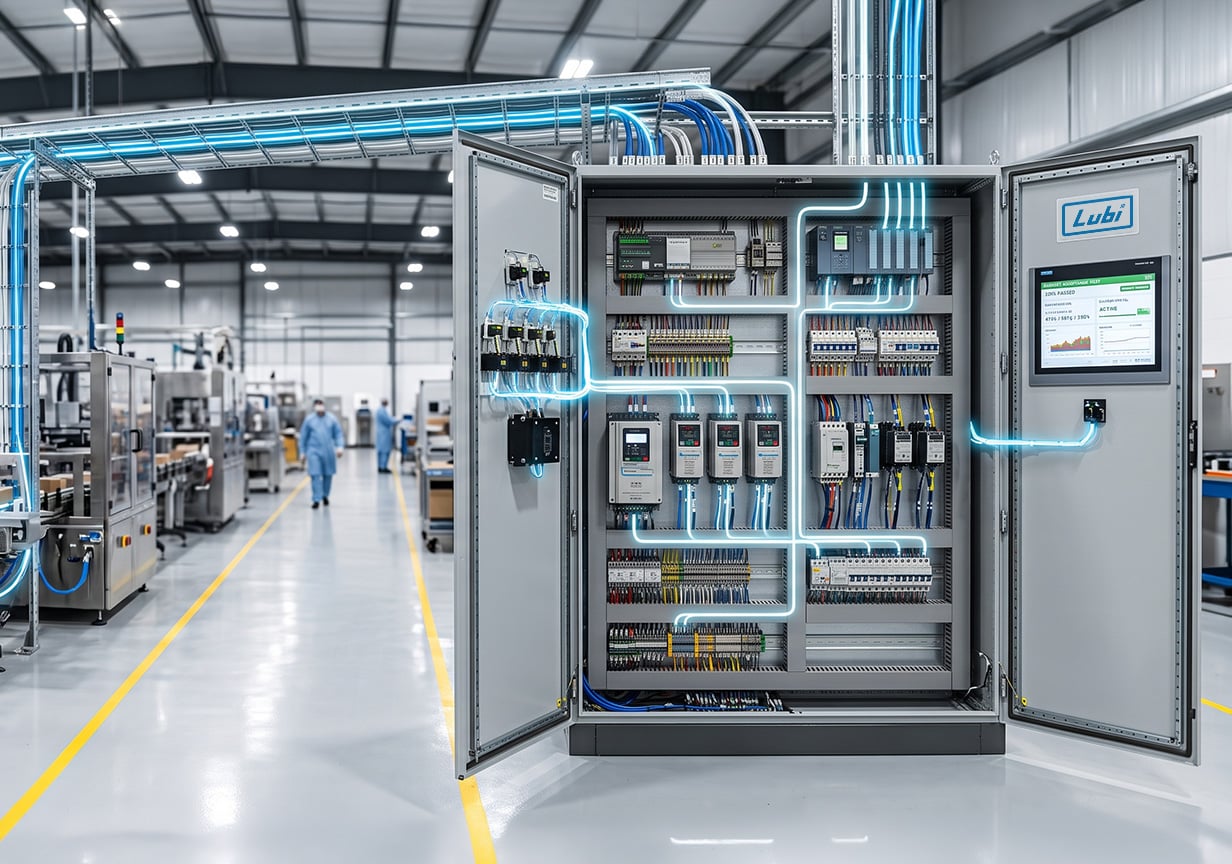
Discover how manufacturers can bridge operational silos by moving from isolated machine automation to connected smart factory orchestration. Learn how integrating legacy systems with IT/OT, MES, and analytics boosts OEE and reduces downtime without replacing existing machinery.
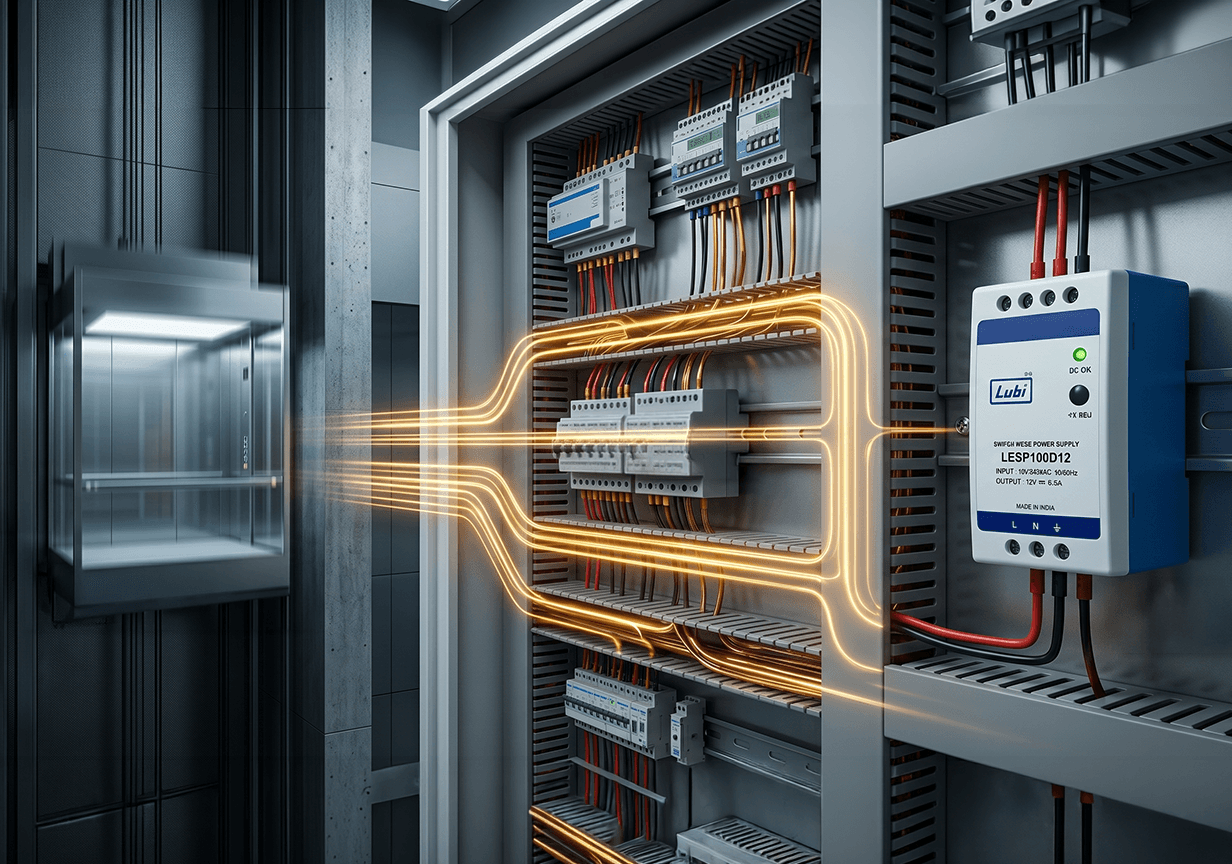
Ensure smooth and safe elevator operations with Lubi SMPS. Discover how these highly reliable switched-mode power supplies deliver the stable, uninterrupted performance your elevator systems demand.
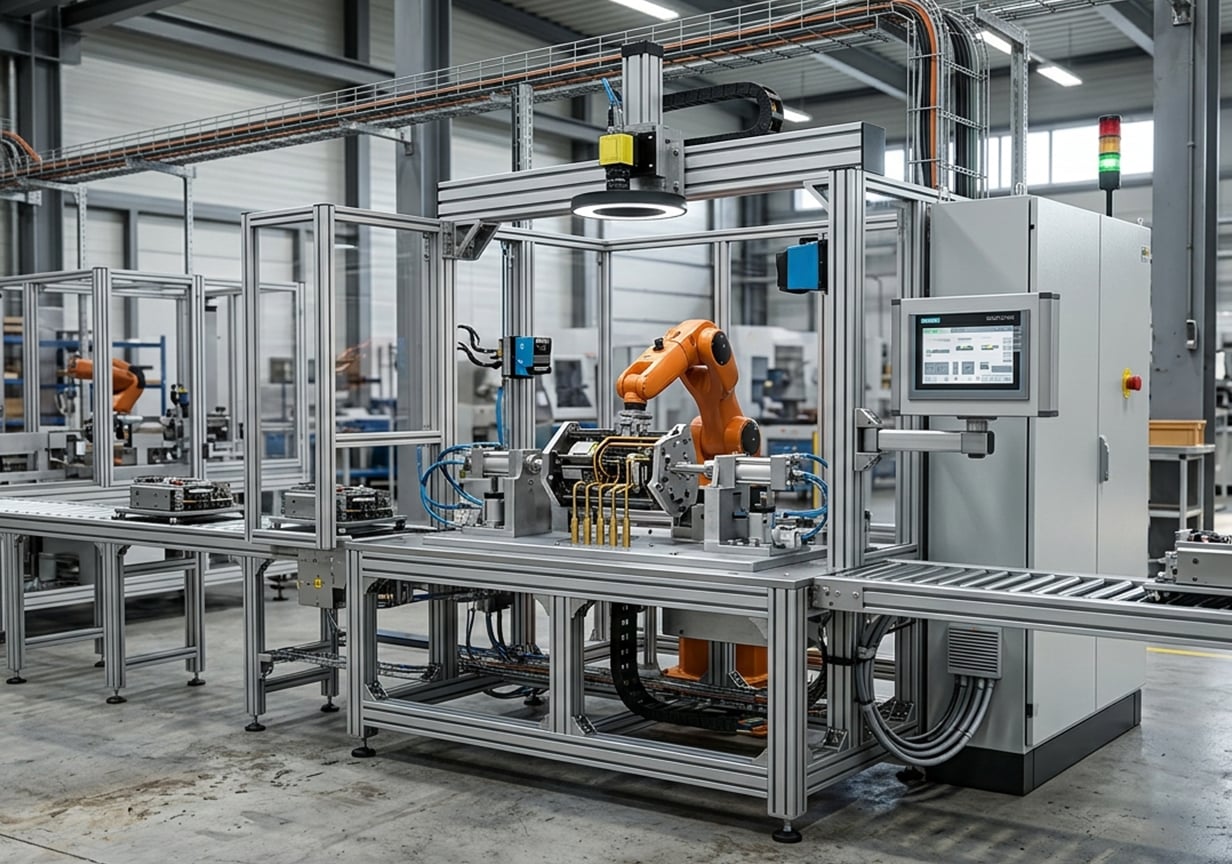
Discover how industrial test bench automation solutions enhance manufacturing quality and productivity. Read our blog to learn about smart testing systems and their impact on operational efficiency with Lubi Electronics.