

Loading...
Loading...
Loading...


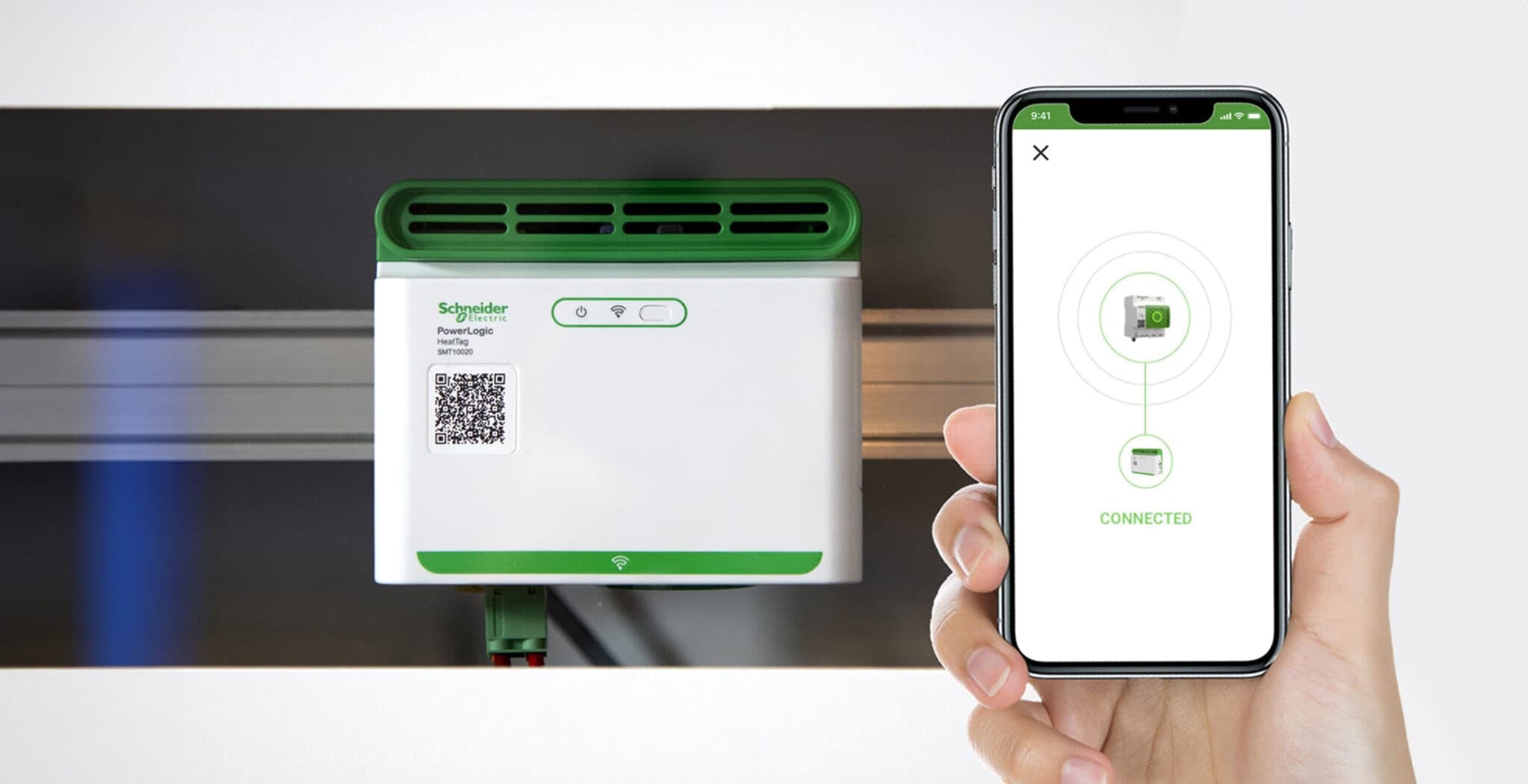
Schneider Electric has developed a sensor that continuously analyses gases and particles inside control panels and switchboards to give an early warning of overheating cables before a fire breaks out. The PowerLogic HeatTag sensor detects invisible, yet hazardous, transformations that occur in cable insulation – including PVC, XLPE and EPR types – typically at temperatures between 170°C and 200°C.
If it detects an anomaly, the sensor sends a notification immediately to a facility manager – via a smartphone or building management system, for example – giving them time to act before smoke appears or an electrical fire breaks out.
Schneider says that the tag is much more than a fire or smoke detector. It can issue a real-time warning before any smoke or insulator browning occurs. The HeatTag uses an AI (artificial intelligence) algorithm to differentiate internal cable issues from overheating, and sends an alarm via email or SMS. It can also trigger switchboard digital management functions.
Schneider’s sensor can send warnings of impending fires in control panels to mobile devices
The sensor can detect cable deterioration caused by:
• incorrect tightening of connections;
• excessive vibrations;
• surface damage caused by corrosion, pressure or friction; or
• fluctuations between low and high currents, or between cold nights and hot days.
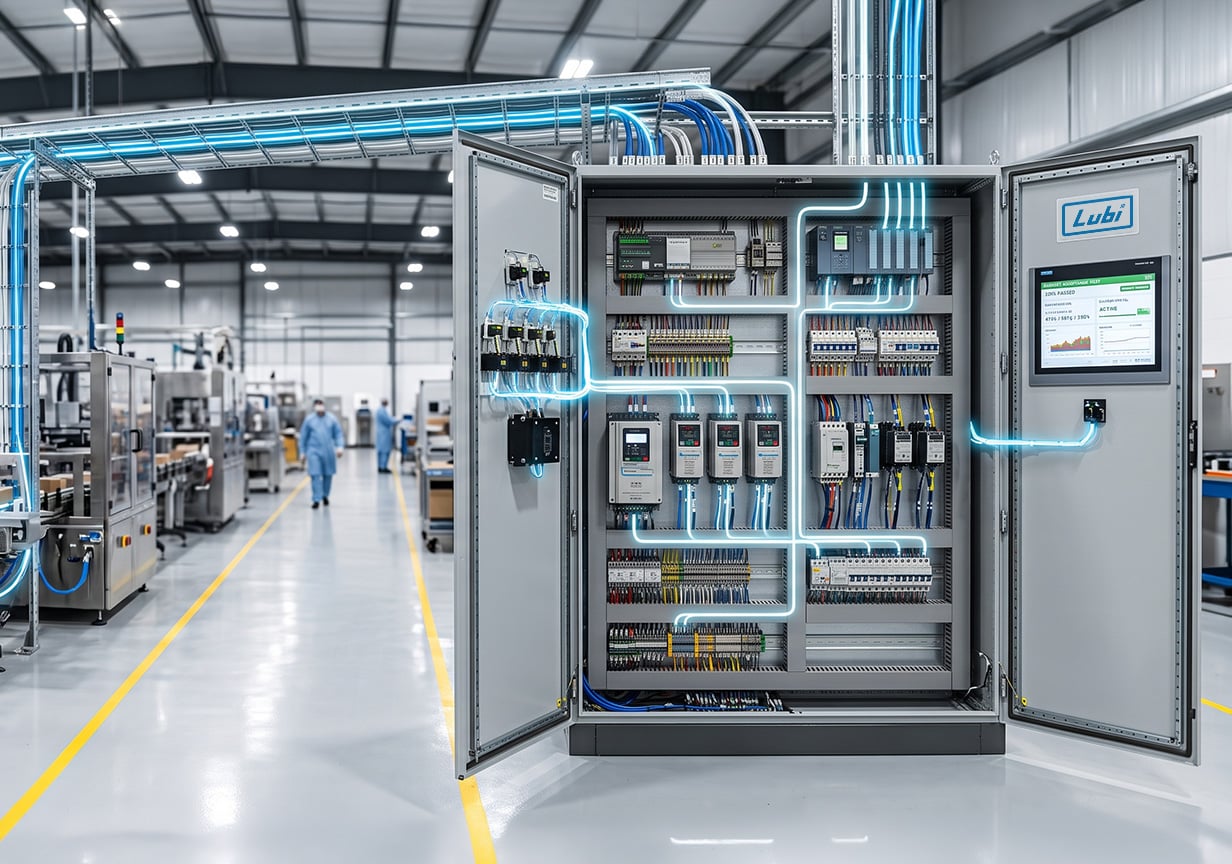
Discover how manufacturers can bridge operational silos by moving from isolated machine automation to connected smart factory orchestration. Learn how integrating legacy systems with IT/OT, MES, and analytics boosts OEE and reduces downtime without replacing existing machinery.
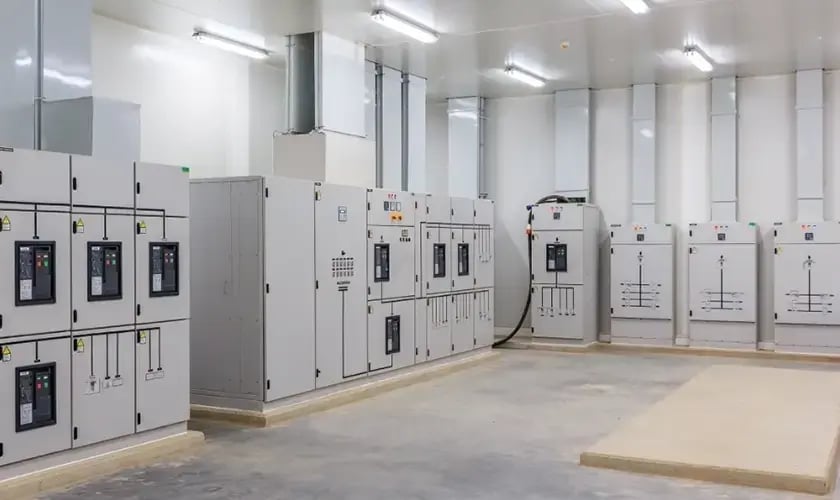
An APFC (Automatic Power Factor Correction) panel is an essential component in industrial electrical installations. Its primary function is to monitor the power factor of the system and automatically correct it to maintain a high power factor.
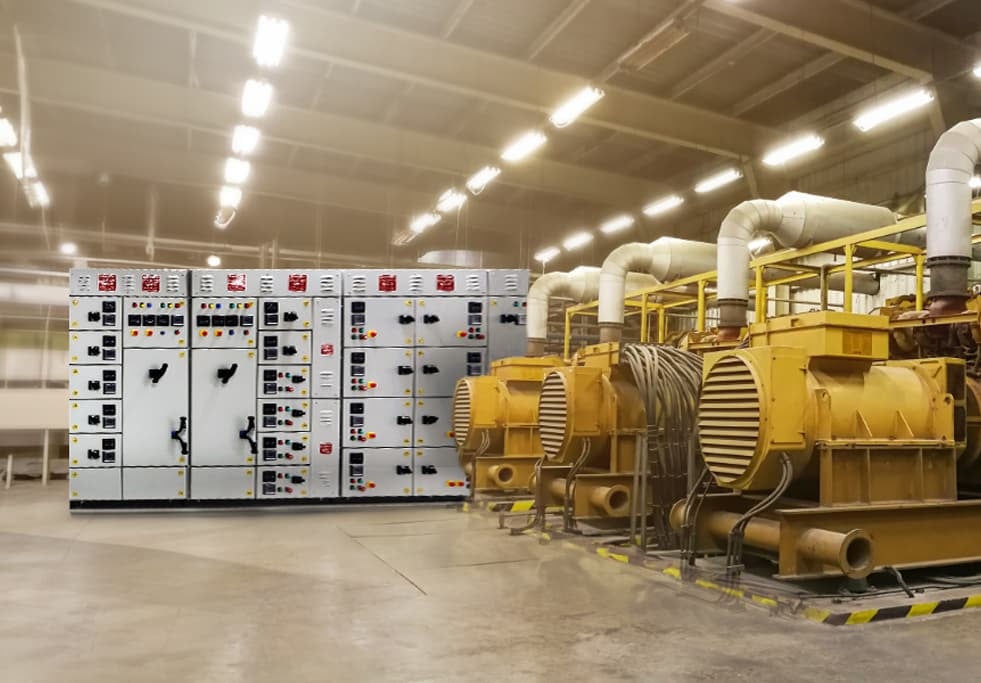
A synchronizing panel is an essential component in many power generation systems, as it ensures that multiple generators are synchronized and operating as a single unit. This is important because when generators are not synchronized, the power output can be unstable, which can cause damage to equipment or even result in power outages.