
Loading...
Loading...
Loading...


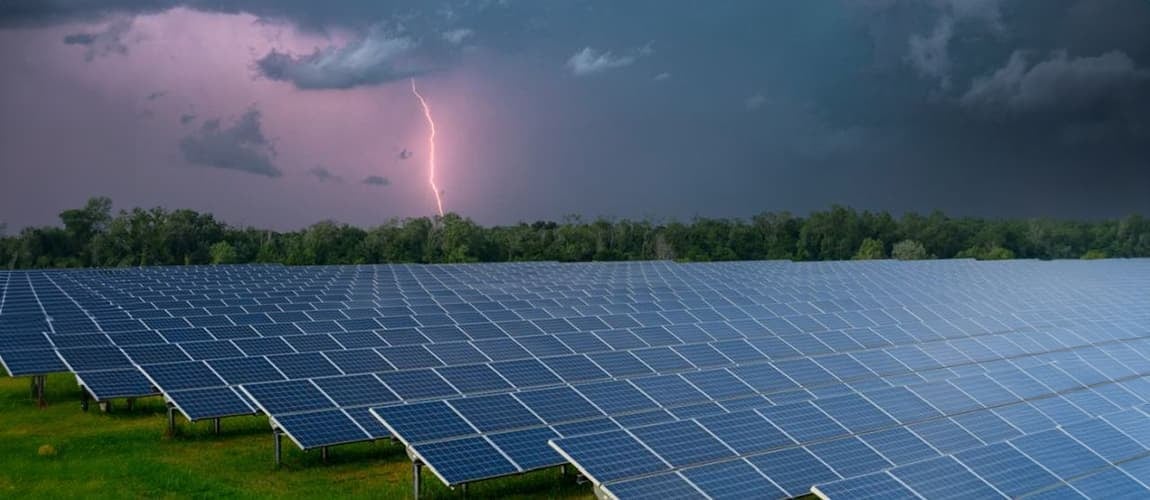
Sustainability is the prime objective while perusing alternatives to generate power. That is why governments are investing heavily in renewable energy to gradually reduce the dependence on fossil fuels. Solar energy has emerged as a benefactor among renewable energy sources, attracting sizable investments and subsidies due to its viability and widespread application.
While small rooftop based solar systems have received acceptance, it is necessary to ensure that these systems are protected against voltage spikes and surges for running the course of estimated operational life. If a solar system is unprotected against surges it can damage the electronics rendering it useless for further application. This shortens the operational life, thus rendering any energy-saving investment useless.
Solar power systems are exposed to weather conditions like storms on rooftops and fields. Due to their expansive size and metallic build, they become sitting ducks for lightning shocks. Also, solar panels are prone to be affected by sudden voltage surges that can damage the internal components.
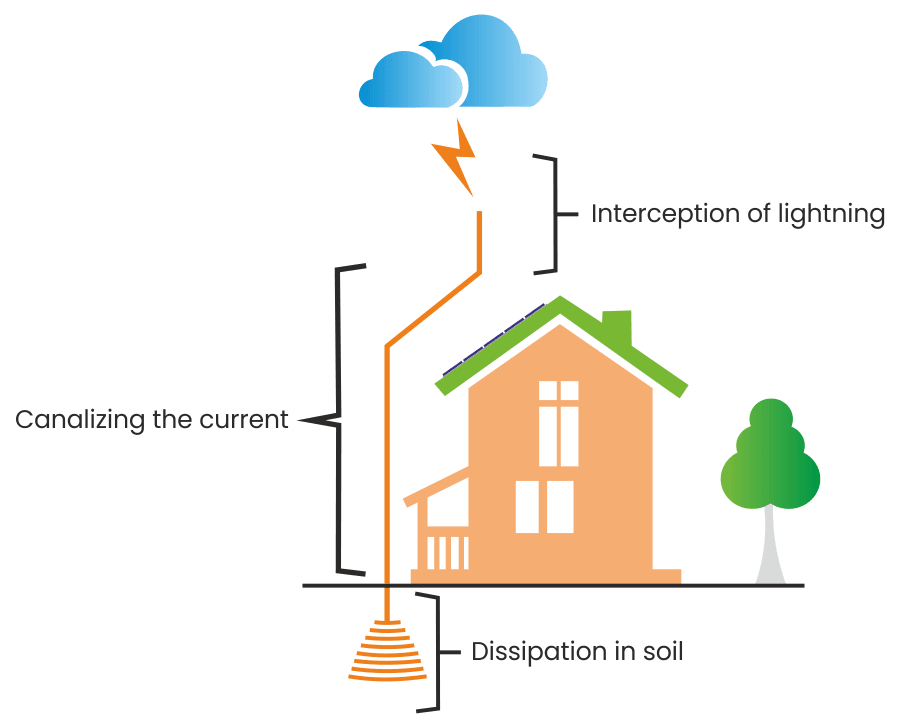
Lightning, in particular, poses significant risks causing complete or partial destruction to solar plants. Voltage surges from lightning shocks can impact a solar system in different ways:
Sometimes solar systems can withstand light voltage surges making it difficult to notice immediate damages or changes. However, the damage starts to manifest in the long run. This is noticed, particularly in inverters and control circuits, sometimes even causing sudden failures during normal operations.
A lightning arrestor is essentially a circuit, used to provide a path to redirect excessive voltage surges to the ground. Generally, lightning arrestors are placed near vital electrical appliances, activating and directing the bolt to earth. Lightning arrestors thus limit electrical charge by diverting it safely. The lightning arrestor offers a conducting channel between the line and the ground. Lightning protection systems consist of external lightning protection and internal surge protection mechanisms
External lightning protection consists of Air Termination Systems, Down Conductors, and External Termination Systems.
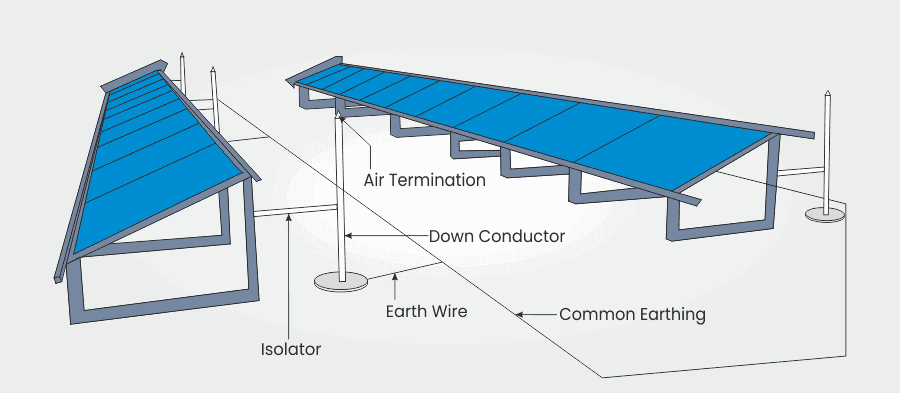
The air termination systems can be designed using a rolling sphere, protective angle method, or mesh method by employing air rods, raised conductors, or mesh respectively.
While employing an air termination mechanism for solar systems certain precautions need to be employed. Some specific issues include:
Earth termination systems used for the protection of rooftop solar plants are classified as Type A or Type B earthing systems.
[caption id="attachment_6149" align="aligncenter" width="900"]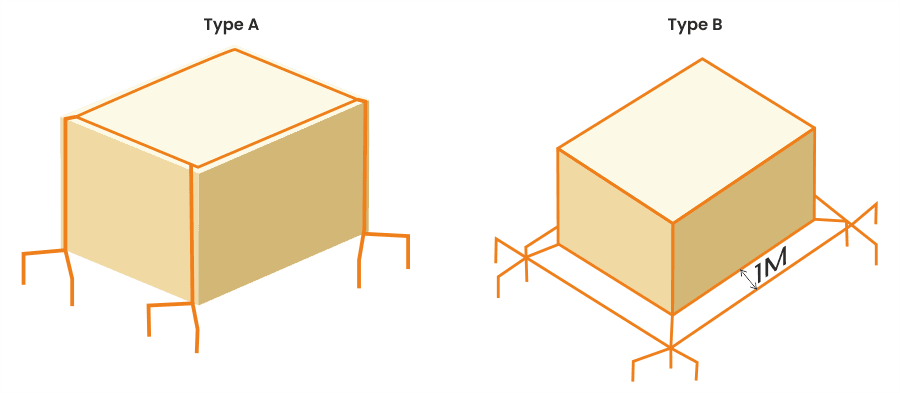 Surge-Protection-For-Solar-Power-Systems[/caption]
Type A earthing usually uses vertical or horizontal earth electrodes buried in the ground, also known as earth pits. Type B earthing employs multiple earth electrodes buried in a ring formation to terminate the surge.
While the external lightning protection system ensures the protection of rooftop solar plants from direct lightning strikes, the systems remain vulnerable to indirect strikes or corresponding surge potentials. Internal lightning protection system uses surge protection devices (SPD) to protect the electrical systems connected to the power line from power surges due to lightning strikes in the nearby vicinity of the solar power plant.
Solar systems are long-term investments, and protecting them is more of a necessity to ensure peace of mind. Surge protection provides reliable protection to the entire asset class by diverting transient currents to the ground. We have to keep in mind that solar installers and contractors may not be sometime aware if they are installing systems in a lightning-prone area and hence may not use one or may suggest that you do not need surge protection as your building already has protection. However, it is better to insist on getting protected by lightning arrestors and surge protection devices to ensure long operational life.
LUBI Electronics is a leading company in India, exhibiting expertise in the automation, solar, and control panel industry.
Our solar offerings include best-in-class solar modules, solar pumps, solar pump controllers and solar inverters.
For more information on our offerings, please reach out to us at lubi@lubielectronics.com.
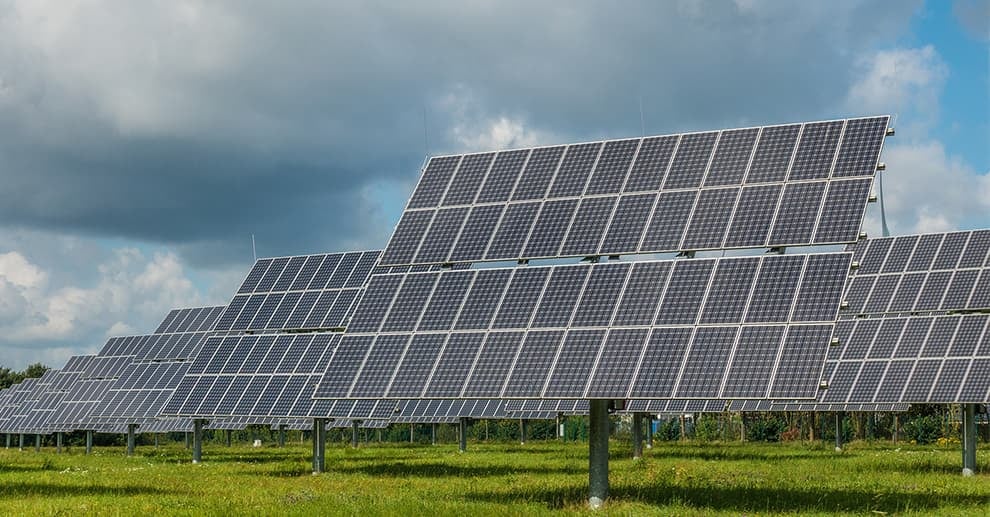
In this world, where the cost of energy is increasing by the day, it is wise to switch to alternative energy sources that promise you huge savings and potentially make your life super easy.
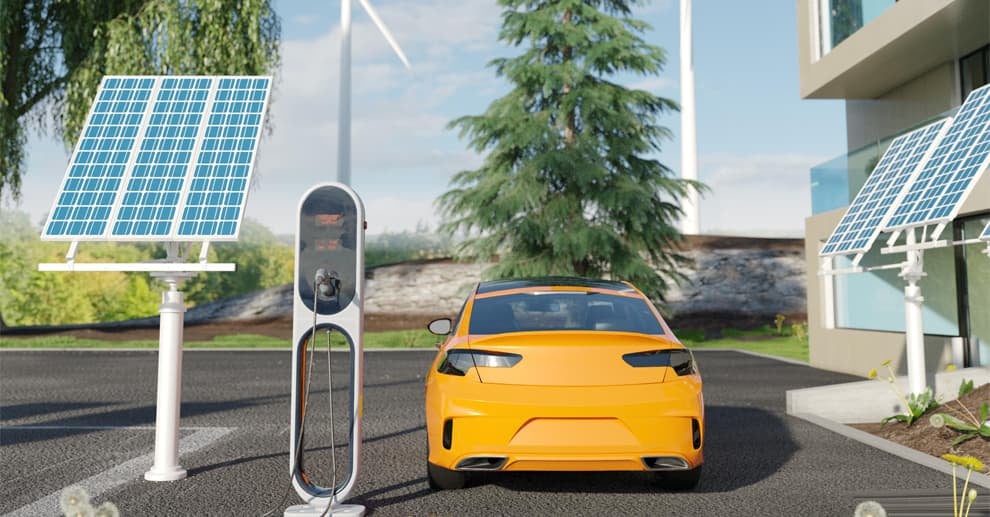
When we say “EV,” the first thing that comes to your mind is, obviously, “Electric Vehicle.” Electric vehicle (EV) is an emerging and revolutionary industry that improves fuel economy, lowers fuel costs, and reduces emissions.
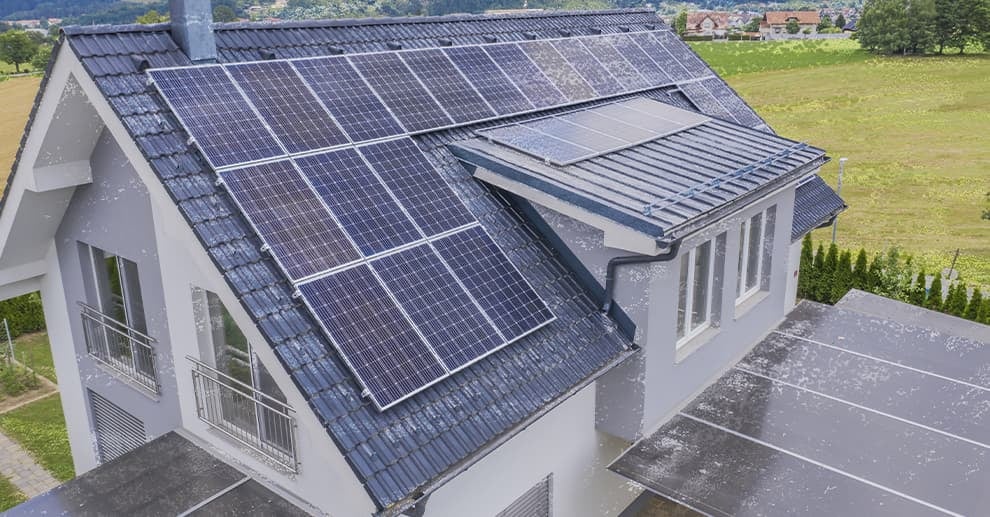
With the increasing petrol and electricity prices, millennials are moving towards green, renewable sources such as electric vehicles, wind energy, solar energy, and many other available options.