
Loading...
Loading...
Loading...


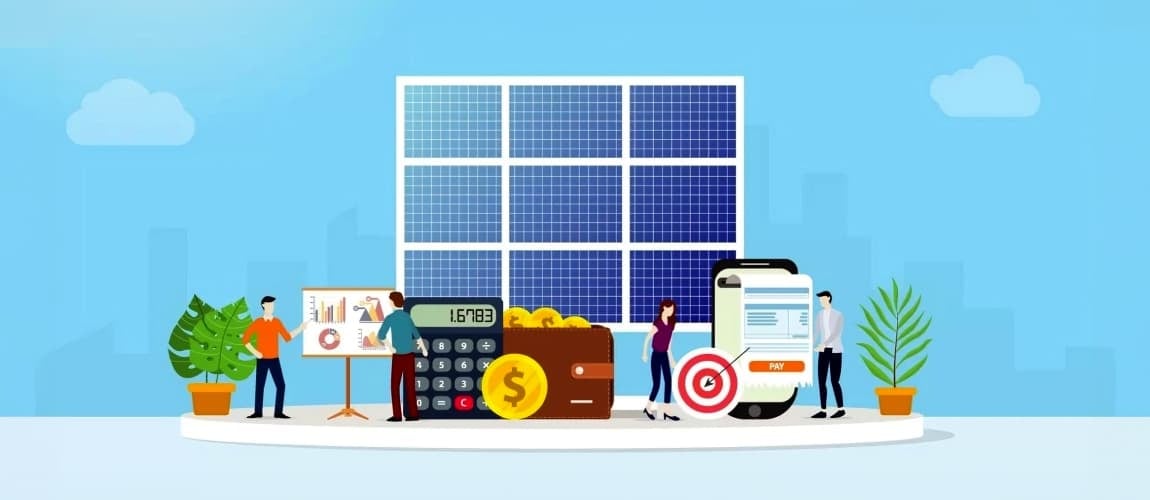
For business owners, investing in solar energy can significantly reduce operating expenses, save money, and promote renewable energy development.
Companies of all sizes are adopting solar power. Installing solar panels can help you achieve a solid financial return, create a sustainable brand image, and enhance stakeholder satisfaction thereby offering numerous advantages for your business.
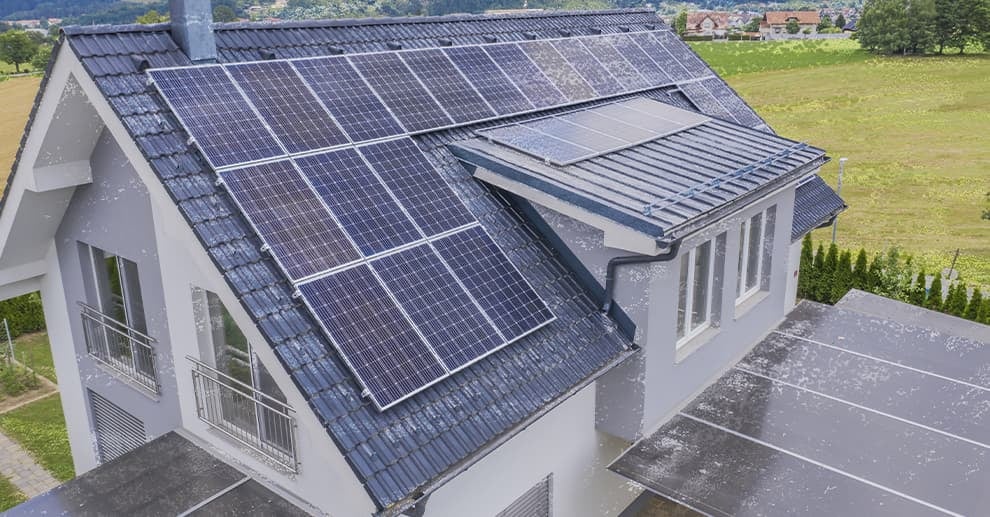
Commercial and industrial solar installations are typically much larger than residential solar power systems. For example, while the average residential solar system range from 3 to 10 KW, a commercial solar system can reach several MW, depending on your company's energy requirements.
Unlike utility-scale solar, commercial solar power falls under "distributed generation." This means the energy produced is used at or near the generation point. Distributed generation projects, such as rooftop or ground-mounted solar systems, are usually connected to the local electric grid. This connection allows your business to benefit from net metering, a policy that lets you send surplus electricity back to the grid in exchange for credits on your electricity bill.
There are many reasons for commercial and industrial entities to set up solar plants. We try to list here the important ones to relay the idea better. Hope you do not miss out.
The initial expense of commercial solar panel system might appear daunting, but numerous incentives can drastically reduce the cost. Though the cost of inputs has come down drastically over the years, the final price of the system depends on its size, the design and applicable incentives and rebates.
For the commercial & industrial consumers, the Government of India offers an accelerated depreciation benefit upto 40% of the project cost. This allows to lower the taxable earnings and recover the depreciated value of your solar installation over five years.
It is to be noted here that tax depreciation is in addition to book depreciation.
Electricity expenses make up a significant overhead expenditure in the commercial and industrial segment. Electricity expenses are increasing annually. Owing to the ever increasing demand for power, the cost of power is only going to increase, intensifying the burn on the pocket. Solar power as an investment, guarantees aggressive returns, beyond which the power becomes almost free. This is the greatest strength of solar power.
By generating your own electricity on-site, you reduce the dependence of the national grid. More electricity you produce, the more you save.
An appealing feature of solar power systems is their extremely low maintenance costs. Maintenance is always the major bottle neck in renewable energy projects. Wind and hydro turbines needs to go through regular maintenance checks to ensure hassle free operations. In solar power plants, cleaning them a couple of times a year is sufficient. Since solar panels have no moving parts, there is no wear and tear. After the initial investment, you can anticipate minimal spending on maintenance and repairs, allowing you to enjoy the savings hassle-free.
Generating power for self reduces dependence on the national grid, providing increased resilience against power cuts and other outages. By power generation for self, the commercial and industrial entities can cushion against potential risks of power induced disruptions and productivity loss.
Current and potential customers are drawn to businesses committed to sustainability. Adopting solar energy will reduce your company’s carbon footprint, enhancing your sustainable brand imagery. This commitment shall attract positive marketing traction and increase brand awareness among customers.
Along with positive marketing coverage and CSR, another criteria has also become important steadily, ESG (Environmental, Social and Governance). ESG is self-regulated tool that highlights robust corporate governance especially on sustainability front. It focuses not just on sustainability, but also drives green initiatives in community outreach and matters related to ethical modelling of the business. ESG, thus presents a robust yardstick for investors to measure company’s overall sustainability.
Solar power plants have created two to three times more jobs than investments in coal or gas based plants. Solar power plants generally come up in remotely based locations, where land costs are significantly low. Solar power plants create sustainable jobs for the locals in such desolate areas, thus boosting the local economy.
Industries contribute significantly to the carbon footprint on India. By prudent investment in solar energy, businesses can reduce carbon footprint and contribute to India’s efforts globally to combat climate change. This can significantly reduce the environmental impact and promote sustainable development.
Solar power offers numerous benefits for Indian businesses; from cost savings to improved energy security, solar power can help businesses achieve their goals while contributing to sustainable development. Given the current market scenario along with current government incentives and policies, it is optimal time for businesses in India to invest in solar power.
LUBI Electronics is a leading company in India, exhibiting expertise in the automation, solar, and control panel industry.
Our solar offerings include best-in-class solar modules, solar pumps, solar pump controllers and solar inverters.
For more information on our offerings, please reach out to us at lubi@lubielectronics.com.
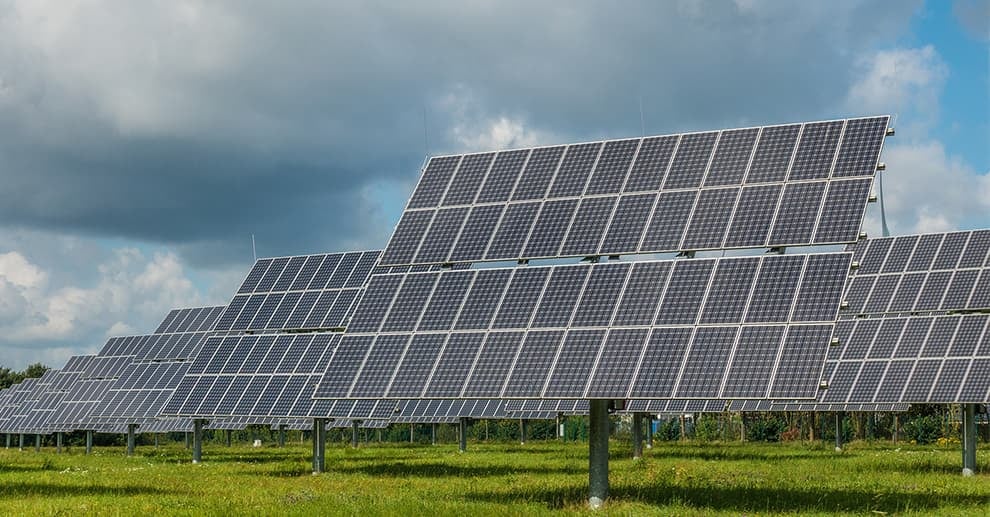
In this world, where the cost of energy is increasing by the day, it is wise to switch to alternative energy sources that promise you huge savings and potentially make your life super easy.
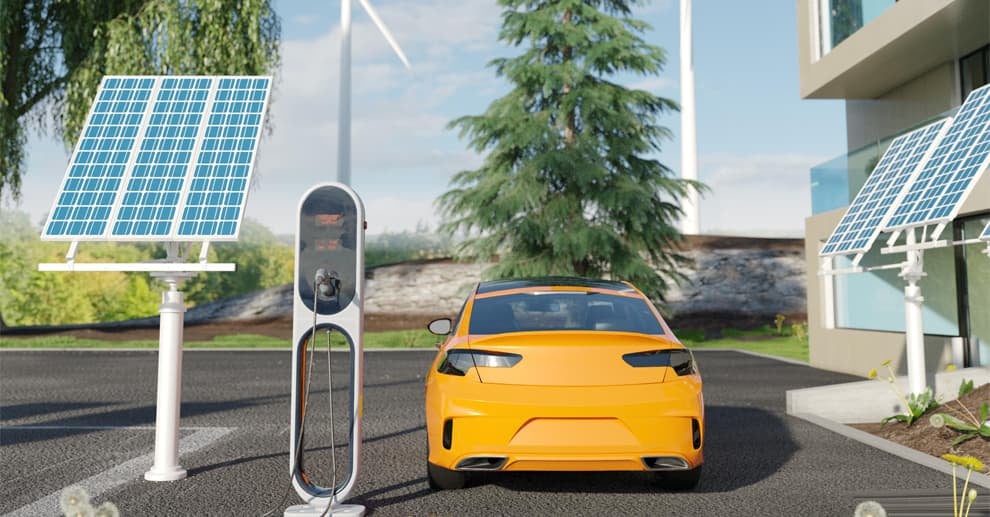
When we say “EV,” the first thing that comes to your mind is, obviously, “Electric Vehicle.” Electric vehicle (EV) is an emerging and revolutionary industry that improves fuel economy, lowers fuel costs, and reduces emissions.
With the increasing petrol and electricity prices, millennials are moving towards green, renewable sources such as electric vehicles, wind energy, solar energy, and many other available options.