

Loading...
Loading...
Loading...


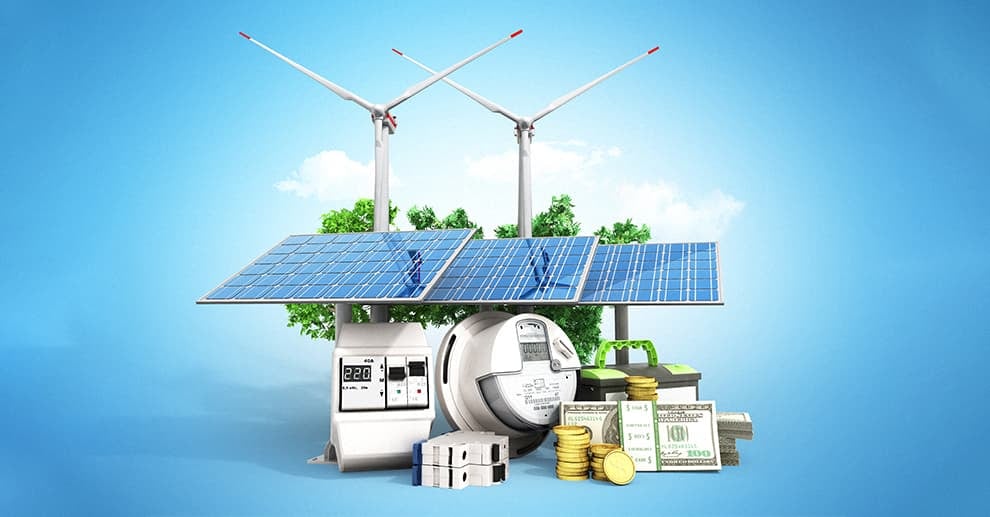
Migration to renewable alternatives for energy is imperative due to the depletion of the conventional sources and the mounting menace of climate change. People have steadily started to accept and adopt renewable alternatives like solar energy. This shift can also be attributed to governments incentivizing widespread adoption of renewable energy.
In addition to direct subsidies, the governments have formulated policies encouraging consumers to become power producer by compensating them for the power fed into the utility grid.
This compensation is executed through metering mechanisms namely:
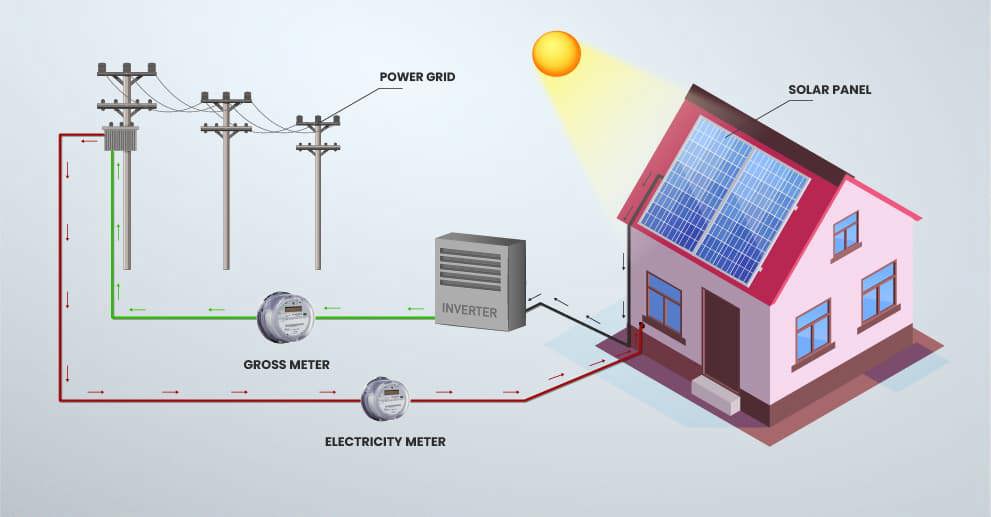
In a net metering mechanism the consumer is allowed to accumulate credits for the surplus power produced and fed in to the grid by the consumer. These credits may be used later to offset power usage from the grid.
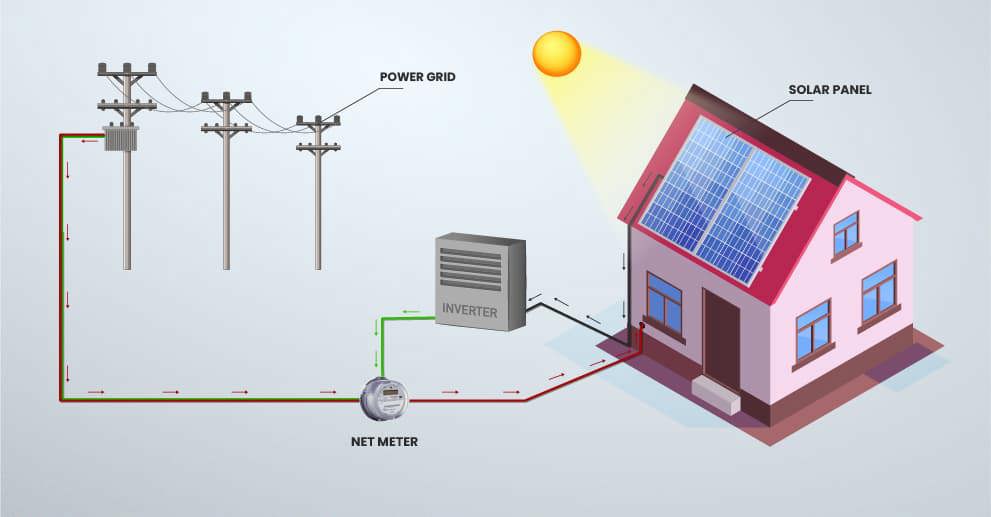
In a gross metering mechanism, the consumer produces power and sells it to the power company at a pre-agreed price. Eventually, the income from sale offsets the cost of procurement of grid power. It is to be noted here that the sale-to-grid and purchase-from-grid of power happens at separate rates and are independent of each other.
As a part of our blog series, we will soon be coming up with what is net metering and how does it work, as a detailed commentary on the metering techniques and their comparisons. Also we will try to get you some interesting insights on the policy framework around the metering mechanisms in India.
LUBI Electronics is a leading company in India, exhibiting expertise in the automation, solar, and control panel industry.
Our solar offerings include best-in-class solar modules, solar pumps, solar pump controllers and solar inverters.
For more information on our offerings, please reach out to us at lubi@lubielectronics.com.
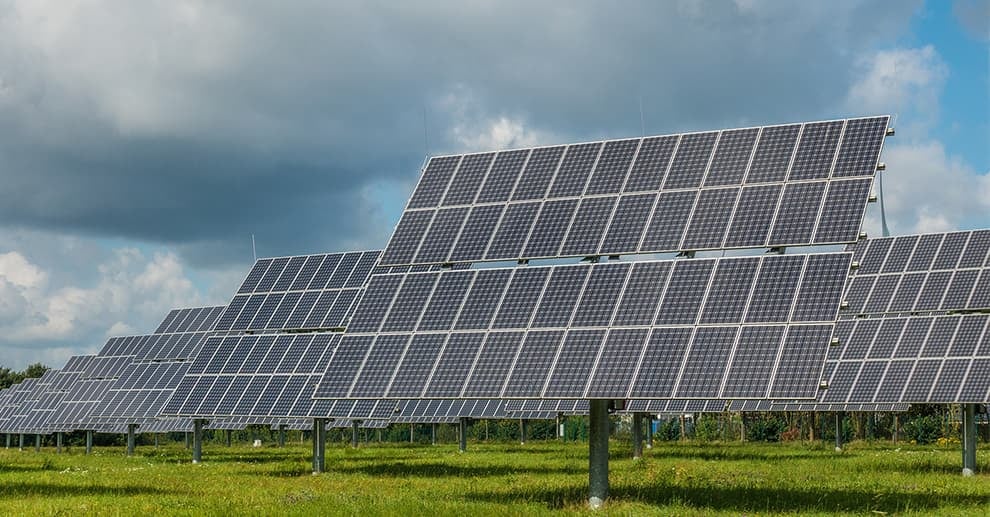
In this world, where the cost of energy is increasing by the day, it is wise to switch to alternative energy sources that promise you huge savings and potentially make your life super easy.
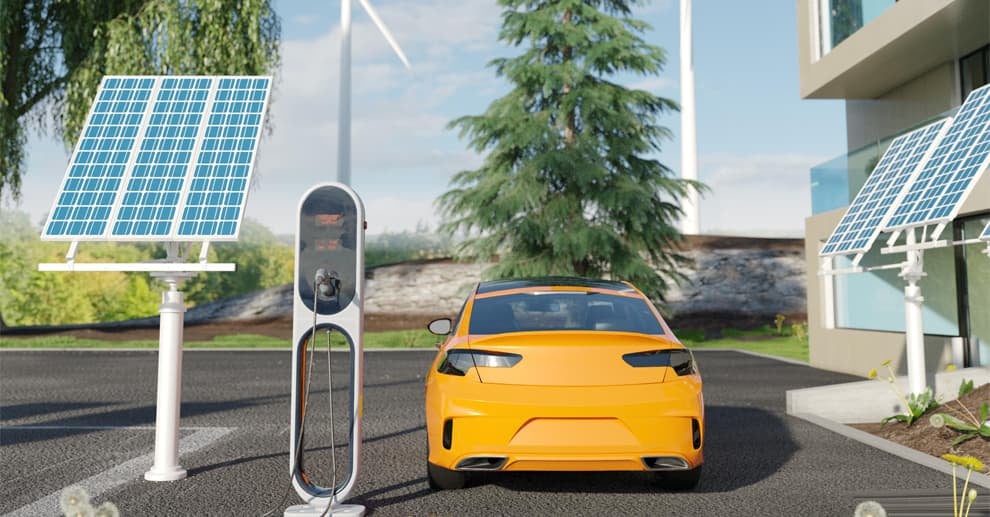
When we say “EV,” the first thing that comes to your mind is, obviously, “Electric Vehicle.” Electric vehicle (EV) is an emerging and revolutionary industry that improves fuel economy, lowers fuel costs, and reduces emissions.
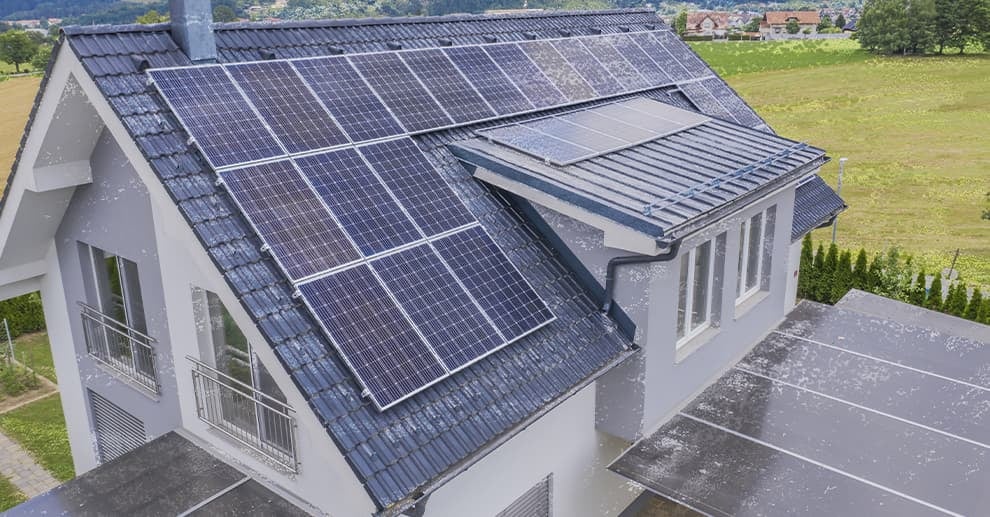
With the increasing petrol and electricity prices, millennials are moving towards green, renewable sources such as electric vehicles, wind energy, solar energy, and many other available options.