
Loading...
Loading...
Loading...



Technological progress has opened up innovations that tap into the boundless potential of solar energy. Solar energy has risen to prominence as a transformative force across various industry sectors, with healthcare being no exception. The healthcare industry, being one of the largest energy consumers, leveraging the potential of solar energy provides a host of benefits poised to revolutionize the operational effectiveness and eco-friendliness of establishments.
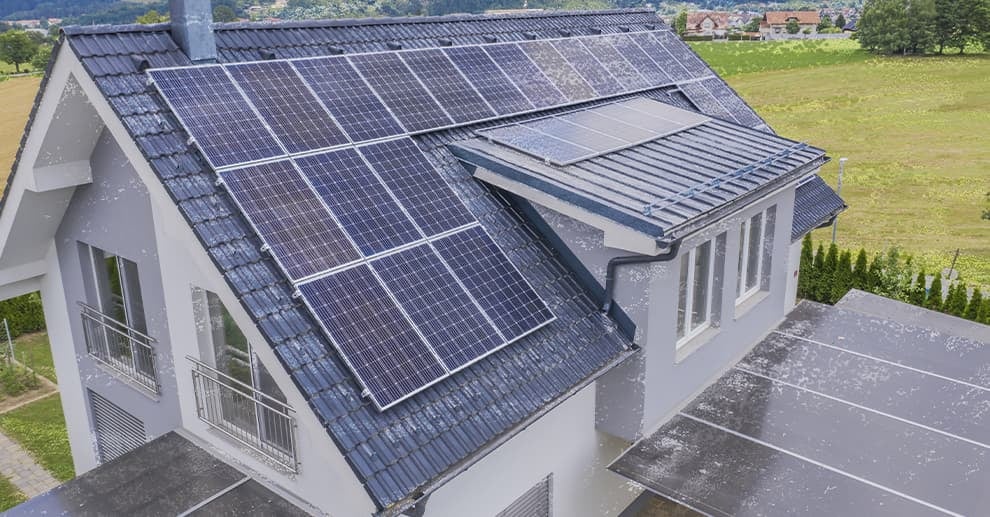
Solar systems have gained widespread acceptance as a viable energy source for hospitals, clinics, and medical institutions worldwide.
Renewable energy can benefit any industry, but its impact on the healthcare sector can be profound. For too long, the absence of dependable electricity has acted as a barrier, denying individuals in remote and rural areas timely access to essential healthcare services. As the global pursuit of universal energy accessibility gains momentum, here are ways in which renewable energy can help ensure quality healthcare.
Rural areas are still not connected to the grid and have unreliable power access. Medical centers, clinics, and health laboratories rely on electricity to power lights, refrigerate medicines, sterilize equipment, and operate life-saving medical devices. Intermittent or unreliable power hinders proper health center operations, putting lives at risk.

By backing up medical facilities with solar energy, we can ensure that no child is born in the dark, no surgery is carried out in candlelight, and no child is left vulnerable to disease because vaccines cannot be refrigerated.
The healthcare sector ranks among the foremost energy consumers. With increasing energy costs, the financial burden is only going to increase for hospitals and clinics. By prudently investing in solar systems, health care establishments can generate electricity and thereby reduce their reliance on conventional grid power. This transition can initiate substantial cost reductions, enabling greater allocation of financial resources towards enhanced patient care and medical research.
Quality health care depends on a reliable source of power. Managing cold chains for vaccines and medicines requires adequate refrigeration facilities and cold rooms. Modern medical devices need power to operate and hence require uninterrupted power for reliable operations. Solar power ensures that these critical facilities operate without interruption, contributing to accurate diagnosis and effective treatment.
A reliable power source guarantees the smooth operation of essential health program management systems. Thus, the health sector can withstand the negative impacts of extreme weather events and emergencies that affect access to traditional power sources. Uninterrupted systems for data input and analysis contribute to the efficient and accurate quantification and distribution of medical facilities and the monitoring of overall health system performance.

Solar systems promote better access to quality health services, particularly in remote, hard-to-reach areas, contributing significantly to universal health coverage. Furthermore, generating solar energy can dramatically reduce greenhouse gas emissions and enhance air quality, leading to better living and health.

In a bid to encourage organizations and institutions to adopt renewable energy, governments globally are offering benefits and incentives. Considering the ever-increasing energy requirements for hospitals and with backing from the government, more healthcare institutes are adopting renewable energy in various forms.
As we move forward into a future driven by sustainable energy, the incorporation of smart grid technology and energy storage systems within healthcare institutions takes on paramount importance.
Energy Backup & Storage: Renewable energy is available in specific periods during the day. Storing surplus energy generation for use during low-yield periods can provide operational flexibility during peak periods, optimizing efficiency and cost-effectiveness.
Switching to renewable energy sources can help the healthcare industry become more sustainable by decreasing its carbon footprint. But more importantly, it addresses the key problem plaguing the industry, which is rising costs and limited access.
Renewable energy can profit all industries, but the impact it can have on the healthcare industry is profound.
LUBI Electronics is a leading company in India, exhibiting expertise in the automation, solar, and control panel industry.
Our solar offerings include best-in-class solar modules, solar pumps, solar pump controllers and solar inverters.
For more information on our offerings, please reach out to us at lubi@lubielectronics.com.
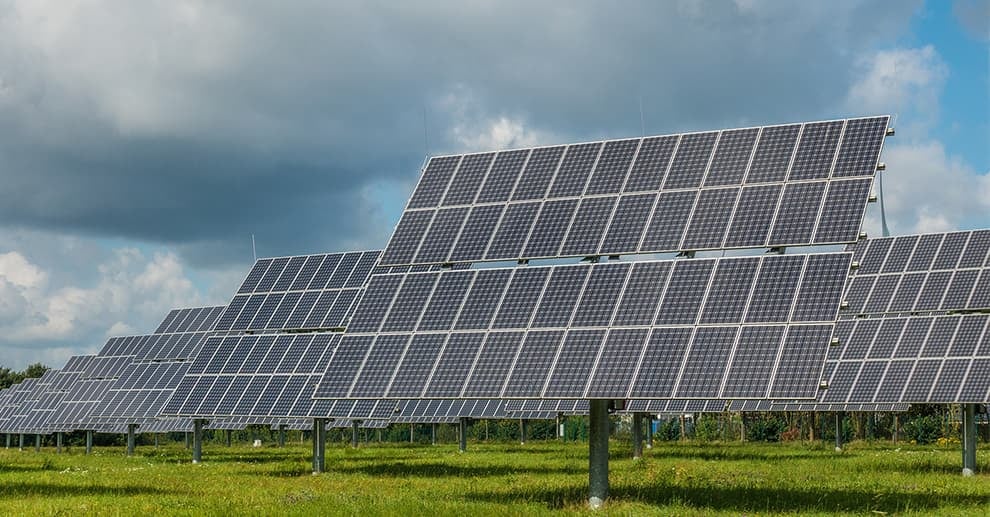
In this world, where the cost of energy is increasing by the day, it is wise to switch to alternative energy sources that promise you huge savings and potentially make your life super easy.
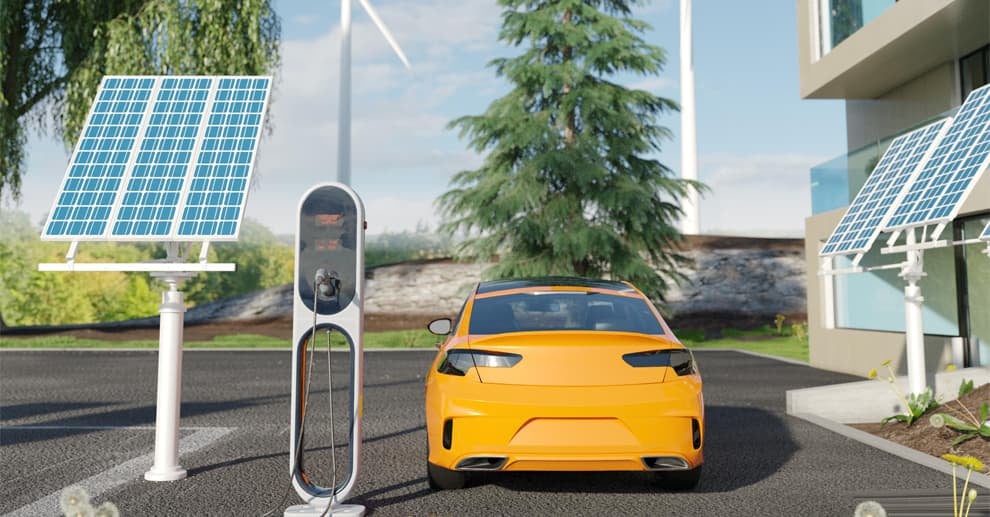
When we say “EV,” the first thing that comes to your mind is, obviously, “Electric Vehicle.” Electric vehicle (EV) is an emerging and revolutionary industry that improves fuel economy, lowers fuel costs, and reduces emissions.
With the increasing petrol and electricity prices, millennials are moving towards green, renewable sources such as electric vehicles, wind energy, solar energy, and many other available options.