
Loading...
Loading...
Loading...


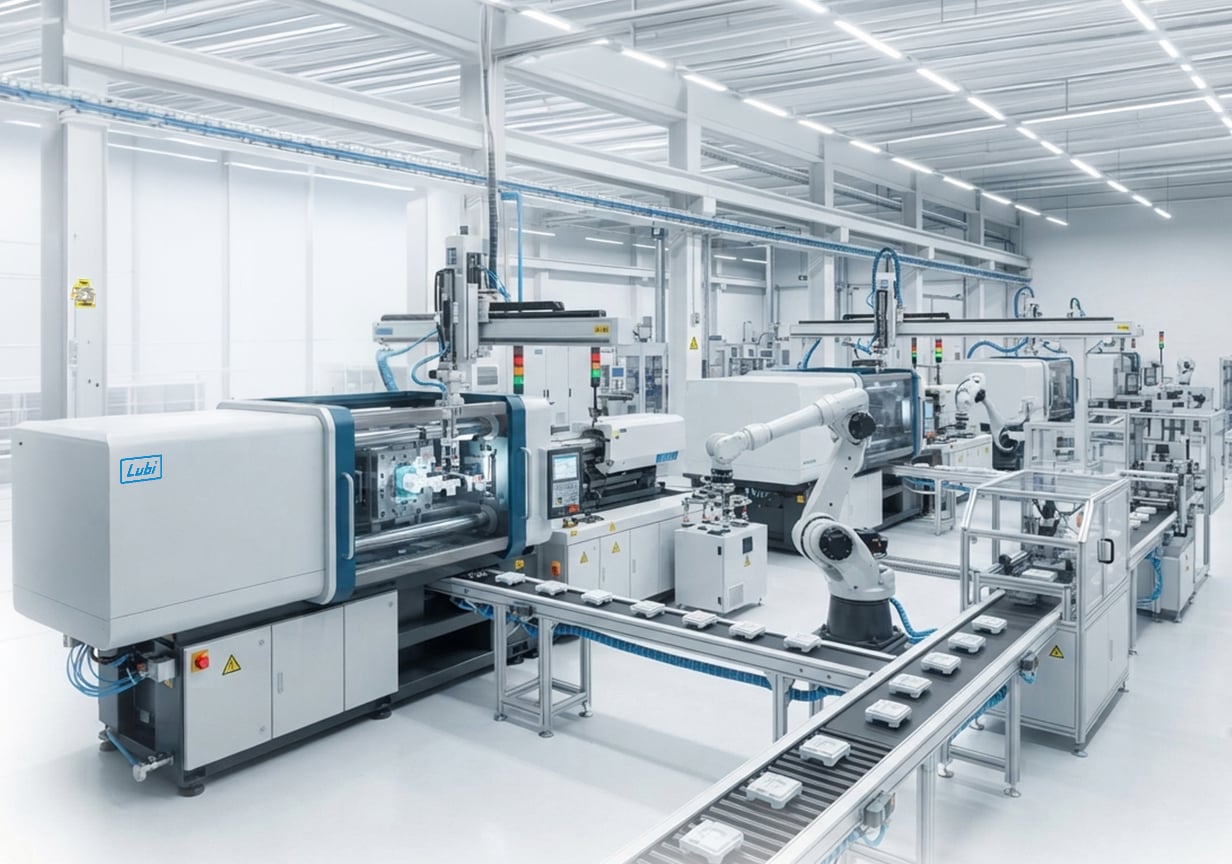
In the world of high-volume plastics manufacturing, time is the ultimate currency. A difference of just three seconds on a molding cycle can equate to tens of thousands of dollars in lost yield or gained profit over the course of a year.
Historically, injection molding operations relied heavily on manual operators to remove finished parts, trim sprues, inspect for defects, and pack items into totes. However, as global supply chains demand higher throughput, tighter tolerances, and reduced labor reliance, traditional press-side operations have reached their limit.
Enter Robotics in injection molding.
From high-speed 3-axis top-entry Cartesian robots to agile 6-axis articulated arms and collaborative robots (cobots), automation is fundamentally reshaping the modern press room. By replacing variable manual labor with ultra-consistent robotic automation, manufacturers can maximize Overall Equipment Effectiveness (OEE), slash scrap rates, and secure a rapid return on investment.
Here is a deep dive into how robotic integration transforms injection molding productivity from a bottleneck into a competitive advantage.
The core metric governing any injection molding shop is cycle time the total elapsed time from when a mold closes until it opens and closes again for the next shot. Manual part extraction introduces natural human variability into this equation. Operators get tired, shift changes cause delays, and reaching inside a large press takes physical effort.
Robotic part extraction eliminates this variability entirely.
Productivity Impact: Replacing manual extraction with high-speed robotics routinely reduces total cycle time by 15% to 30%, effectively granting plant owners additional machine capacity without purchasing new molding presses.
Newly molded plastic components exit the press at elevated temperatures. When warm plastic is dropped mechanically into a bin under the press or handled roughly by an operator, it is exceptionally vulnerable to cosmetics defects such as scuffing, bending, or scratching.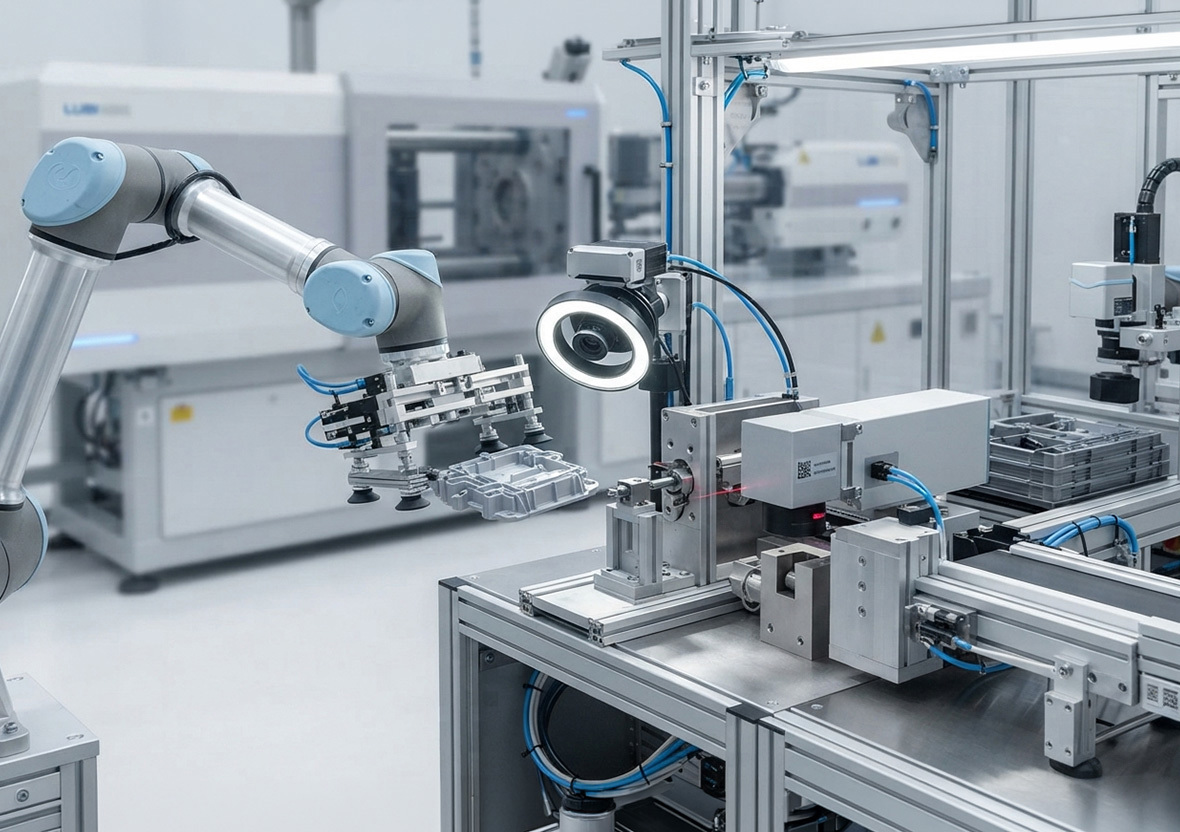
Robotic End-of-Arm Tooling (EOAT) provides precision handling designed to protect delicate geometries:
One of the biggest productivity wins in robotic molding is parallel processing. In a manual operation, an operator waits while the machine injects and cools the part. With robotics, the period during which the mold is closed and cooling is converted into active manufacturing time.
While the press is running the next shot, press-side robots can execute critical post-processing steps:
Not all injection molding applications require the same robotic setup. Matching the right robot architecture to your part geometry, cycle time, and plant floor layout is vital to maximizing OEE.
| Robot Architecture | Primary Location / Style | Best Suited For | Key Productivity Advantage |
|---|---|---|---|
| Cartesian (3-Axis Linear) | Mounted on top of the fixed press platen | High-speed pick-and-place, high-cavitation tools, packaging | Fastest entry/exit speeds. Minimal footprint on the factory floor. |
| 6-Axis Articulated | Floor-mounted or inverted over the press | Complex insert molding, part reorientation, multi-stage post-processing | Maximum flexibility. Can maneuver around tie bars and access complex tools. |
| SCARA / Cobots (Collaborative) | Pedestal / Mobile base near press | Short-run production, low-to-medium volume, floor space shared with humans | Rapid deployment. No physical safety fencing required; easily reprogrammed for new jobs. |
Labor shortages remain a persistent challenge across the manufacturing industry. Robotics decouples plant capacity from human headcount.
By pairing an injection molding press with automated part extraction, vision inspection, and automated tote handling or resin conveying, press rooms can transition toward lights-out manufacturing. Presses can run uninterrupted through overnight shifts, weekends, and holidays without requiring constant human oversight.
Beyond simply filling shifts, automated systems improve plant safety. They keep personnel clear of severe pinch points, mold clamping forces exceeding hundreds of tons, and extreme temperatures associated with hot runner systems and molten resins.
Investing in press automation is a capital expenditure, but its pay-back period is among the shortest in industrial manufacturing.
When calculating the Return on Investment (ROI) for a robotic molding cell, consider these key drivers:
In modern plastics industry, automation offers multiple optional upgrades reserved for mega-factories which is a baseline requirement for staying competitive.
Integrating robotics into injection molding processes stabilizes cycle times, protects valuable tooling, elevates part quality, and unlocks hidden capacity across your existing machinery. By turning isolated molding presses into fully automated, self-contained work cells, manufacturers can build a resilient, future-proof operation ready to scale.

High-power industrial motors drive critical processes in cement, oil & gas, and metals. Discover how Medium Voltage Drives (MVDs) from Lubi Electronics deliver variable speed control, reduce energy consumption, minimize mechanical stress, and integrate smoothly with plant automation systems.
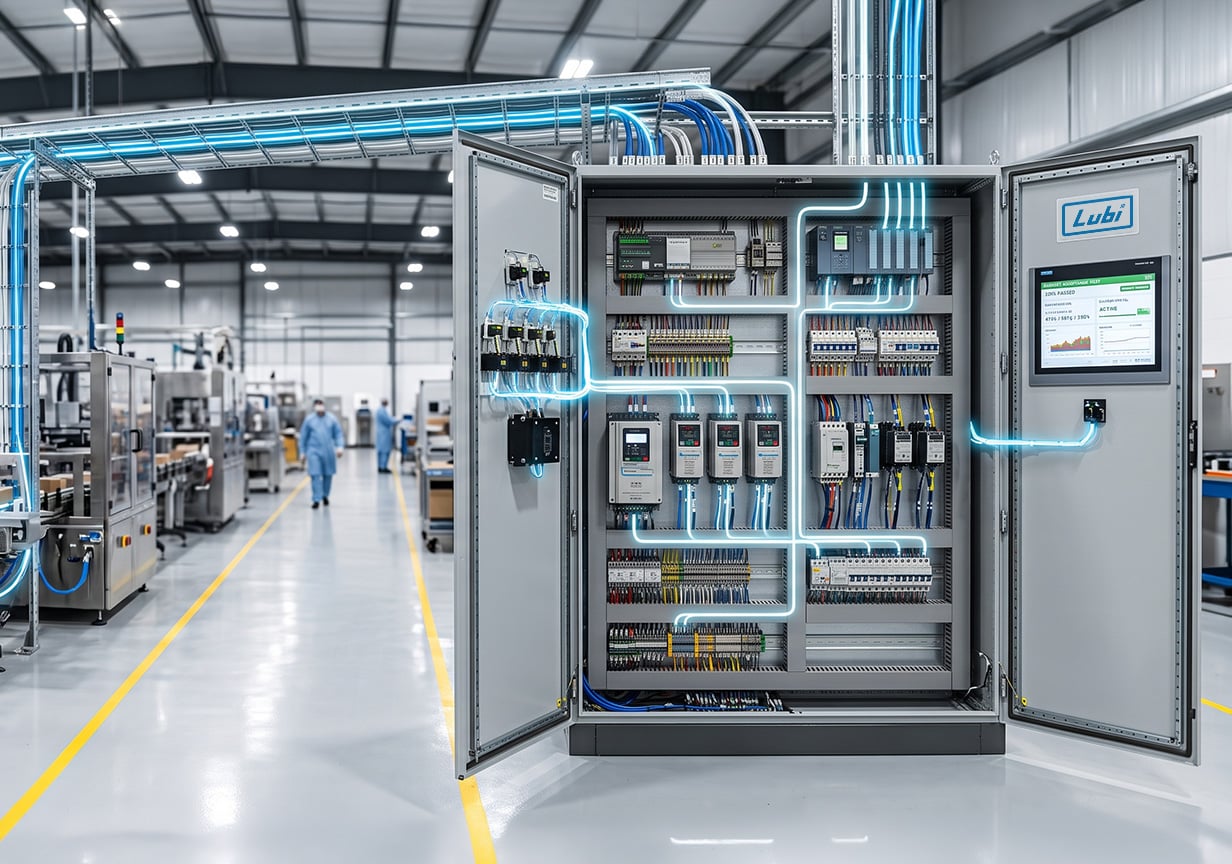
Discover how manufacturers can bridge operational silos by moving from isolated machine automation to connected smart factory orchestration. Learn how integrating legacy systems with IT/OT, MES, and analytics boosts OEE and reduces downtime without replacing existing machinery.
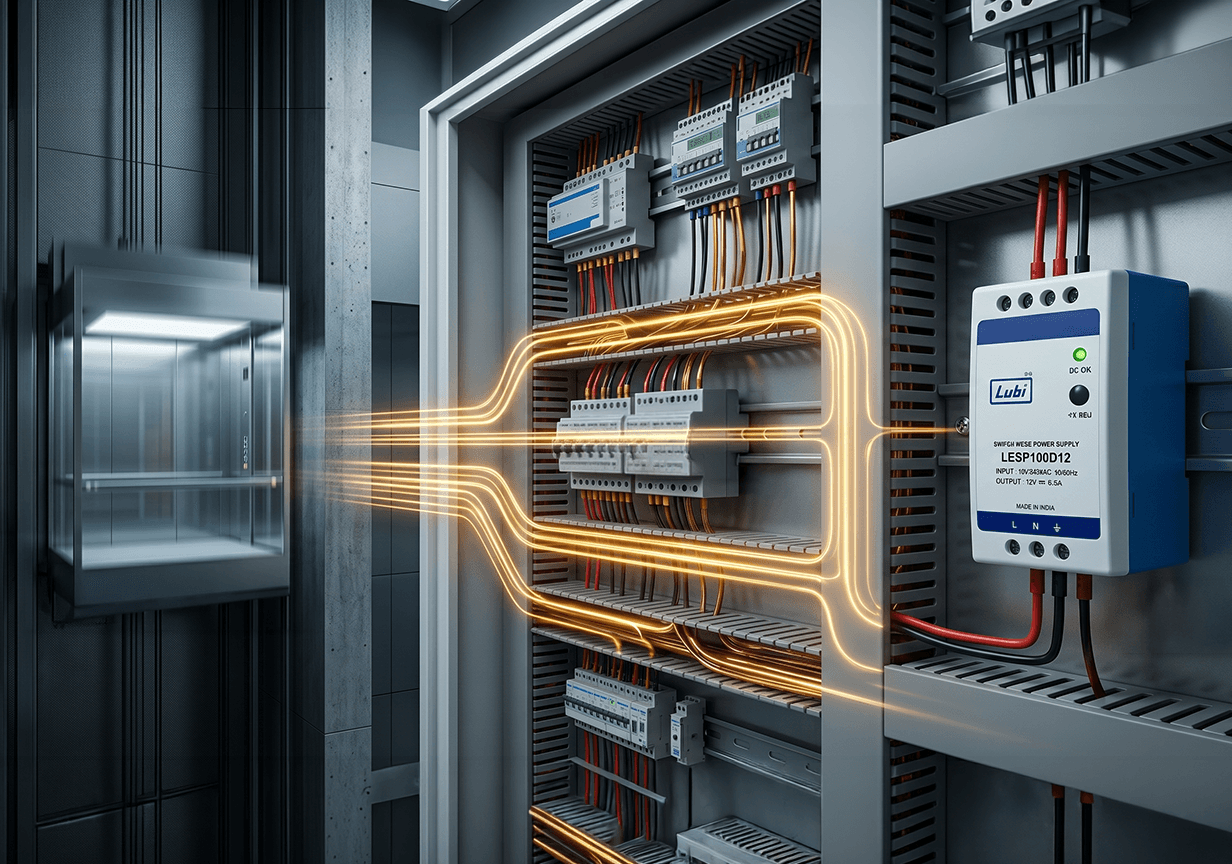
Ensure smooth and safe elevator operations with Lubi SMPS. Discover how these highly reliable switched-mode power supplies deliver the stable, uninterrupted performance your elevator systems demand.