

Loading...
Loading...
Loading...



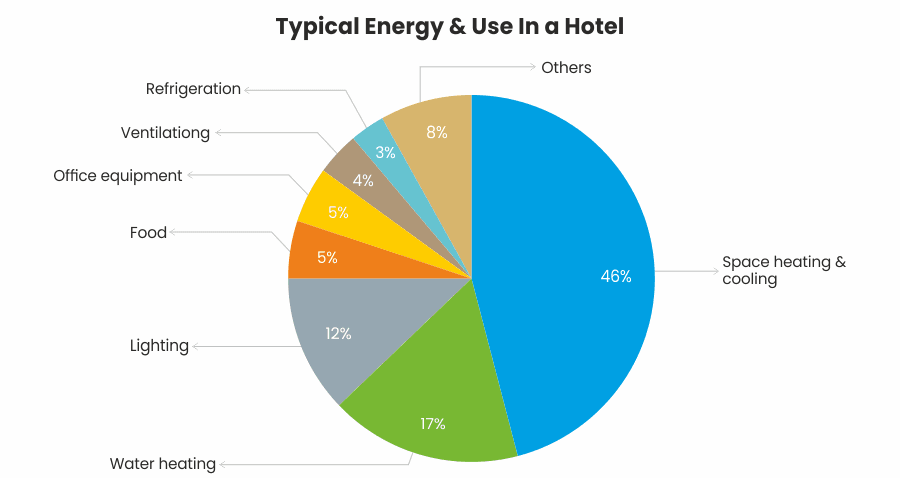
The hospitality industry’s reputation for substantial energy consumption, driven by constant lighting, air conditioning, and heating demands, highlights the urgent need for a transition to more sustainable energy practices. Embracing sustainability not only offers financial savings but also contributes to environmental preservation, making it an imperative choice as the industry grows and evolves.
The hospitality sector is expected to grow at a CAGR of approximately 10.24% between 2022 - 2028. With the tourists are becoming more eco-conscious, they prefer to stay at hotels that prioritize sustainability.
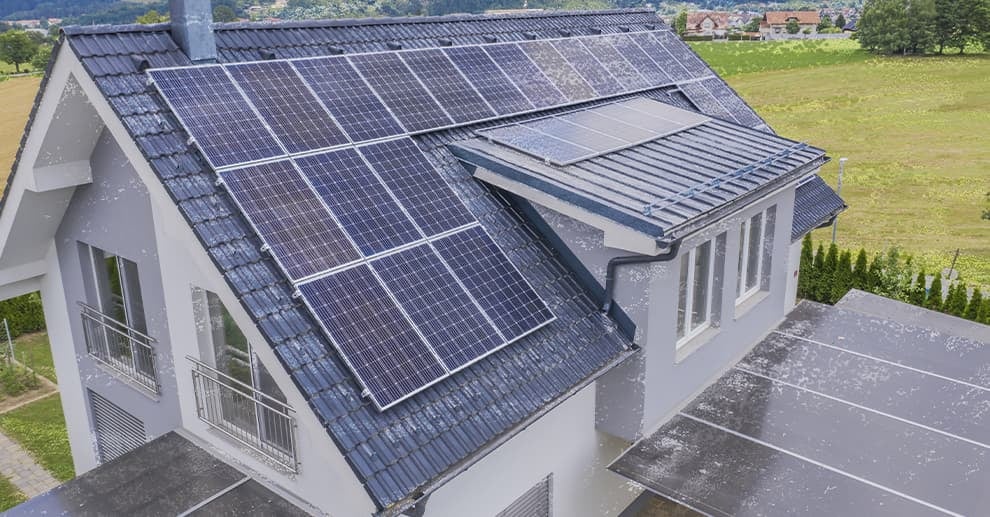
As eco-conscious and socially responsible accommodations gain more traction among travelers, hotels that transition to renewable energy sources can attract environmentally responsible tourists. Solar power, being both dependable and budget-friendly, brings a multitude of advantages to the hospitality sector, including cost savings and the enhancement of their brand image.
The growing awareness of the importance of sustainability and regeneration in the hospitality industry has led to investigations that try to surpass basic sustainable practices and implement effective green strategies.
A growing impetus has been put on developing spaces that are not only sustainable but also actively contribute to the regeneration of the environment and society.
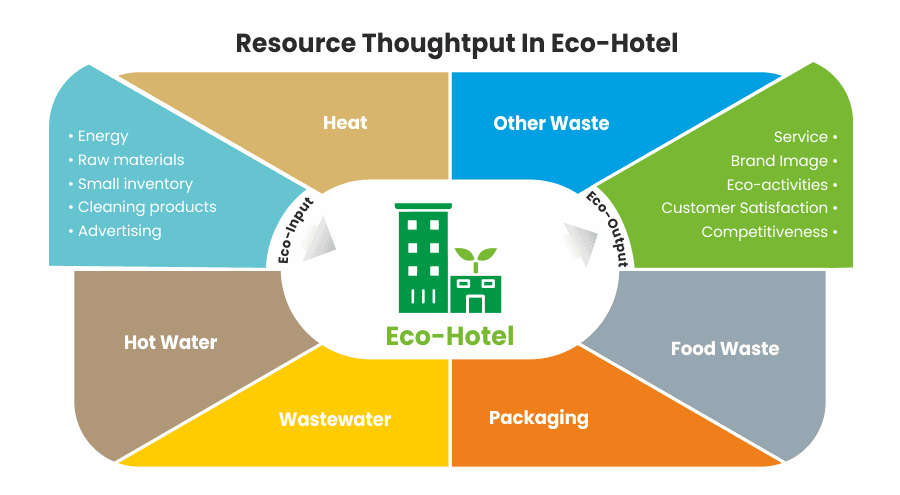
This represents a new generation of hotel ecosystems, as it signifies a fundamental transformation in the way accommodations are conceived, designed and managed.
Reducing costs will aid in gaining a competitive advantage. A hotel’s energy spent amounts to a sizeable chunk of the total operating costs. Investing in energy-efficient upgrades can not only reduce the carbon footprint but also reduce the operating costs and improve profitability.
Even a 10% reduction in energy costs can provide a sizeable margin thereby allowing better service to customers. This can considerably improve customer response and business. Hotels can position themselves as eco-friendly alternative, actively attracting new clientele in the emerging eco-conscious travel trend.
Adopting renewable energy to power the energy requirements of the facility can boost its image through promotion through social media. These are great for reaching new audiences and drawing eco-conscious guests to your location.
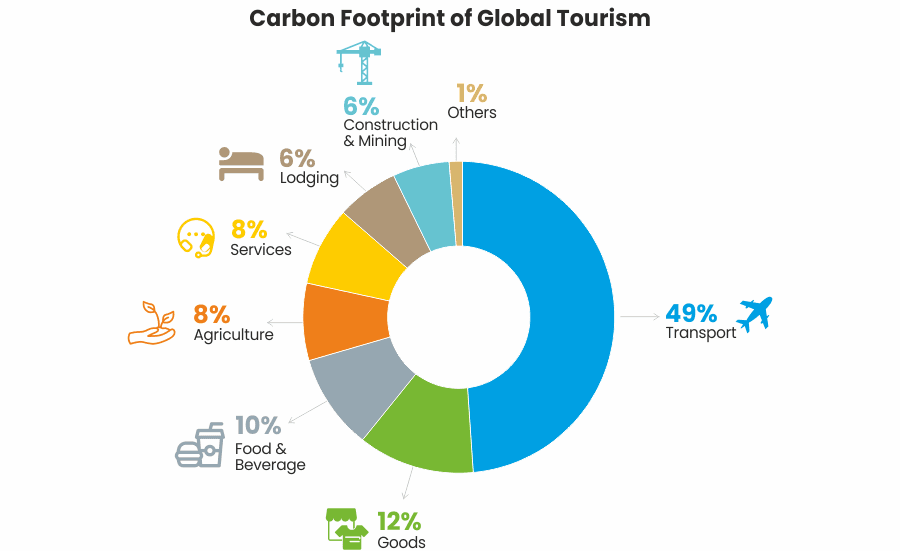
In terms of carbon footprint, the tourism industry stands as the third largest contributor after industry and agriculture. Hotels are among the top energy consumers and bear considerable responsibility for climate change. As per a study, each hotel room is responsible for approximately 180 kg of CO2 emissions per day per square meter of floor space. Although there has been progress in reducing the carbon footprint associated with hotel stays, further action is imperative to effectively mitigate the impact of climate change.
As the Indian hospitality sector experiences substantial growth, the demand for a consistent and uninterrupted power supply is increasingly imperative. The time has come for hotels to embrace the trend of feasible resource practices. Transitioning to solar energy not only trims energy expenses but also bolsters profitability while fostering a greener and more sustainable future.
LUBI Electronics is a leading company in India, exhibiting expertise in the automation, solar, and control panel industry.
Our solar offerings include best-in-class solar modules, solar pumps, solar pump controllers and solar inverters.
For more information on our offerings, please reach out to us at lubi@lubielectronics.com.

In this world, where the cost of energy is increasing by the day, it is wise to switch to alternative energy sources that promise you huge savings and potentially make your life super easy.
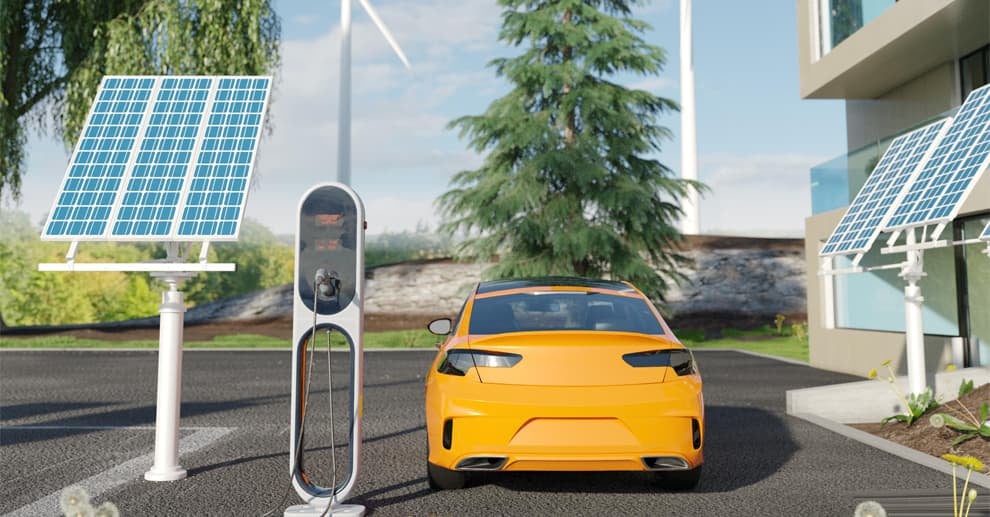
When we say “EV,” the first thing that comes to your mind is, obviously, “Electric Vehicle.” Electric vehicle (EV) is an emerging and revolutionary industry that improves fuel economy, lowers fuel costs, and reduces emissions.
With the increasing petrol and electricity prices, millennials are moving towards green, renewable sources such as electric vehicles, wind energy, solar energy, and many other available options.