
Loading...
Loading...
Loading...


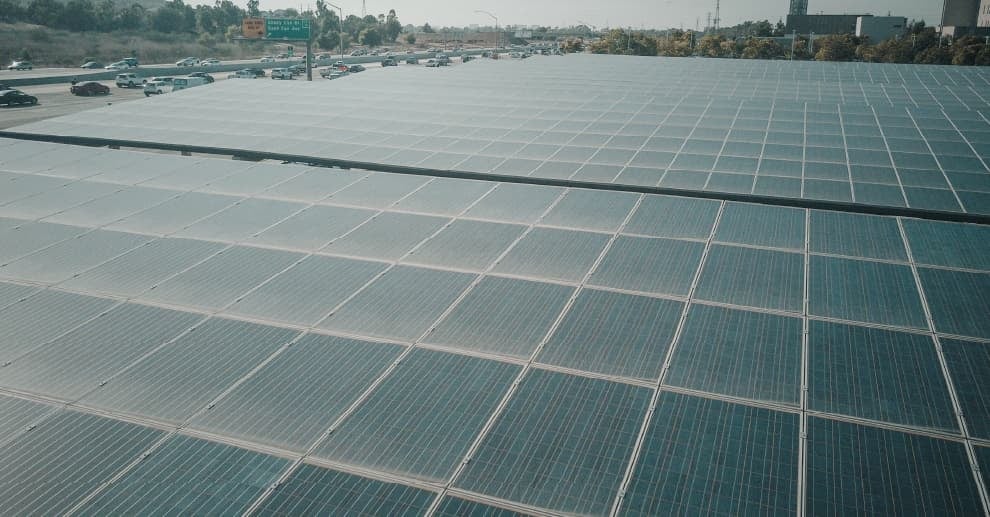
The ability of solar modules to harvest energy reduces with time. This is known as degradation. The performing life of solar panel depends on the type of raw material used and quality parameters maintained during the assembly process. Generally manufacturers guarantee 25-30 years. However solar modules can perform even beyond that if the raw materials are of exceptional quality. That is why it is important to procure solar panels from well known sources.
Exposure to adverse weather conditions and ultraviolet radiation leads to deterioration of the cell quality and its ability to produce electricity with time. This degradation in the long run affects the solar panels performance warranty.
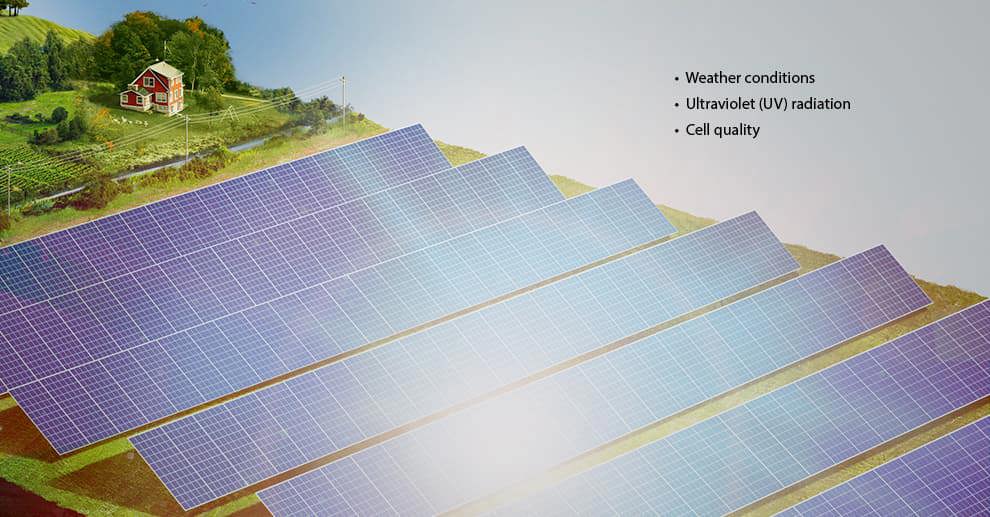
Several factors can affect the speed at which solar panels degrade over time. Some factors can be attributed to the manufacturing and while many others may be attributed to installation and maintainance processes.
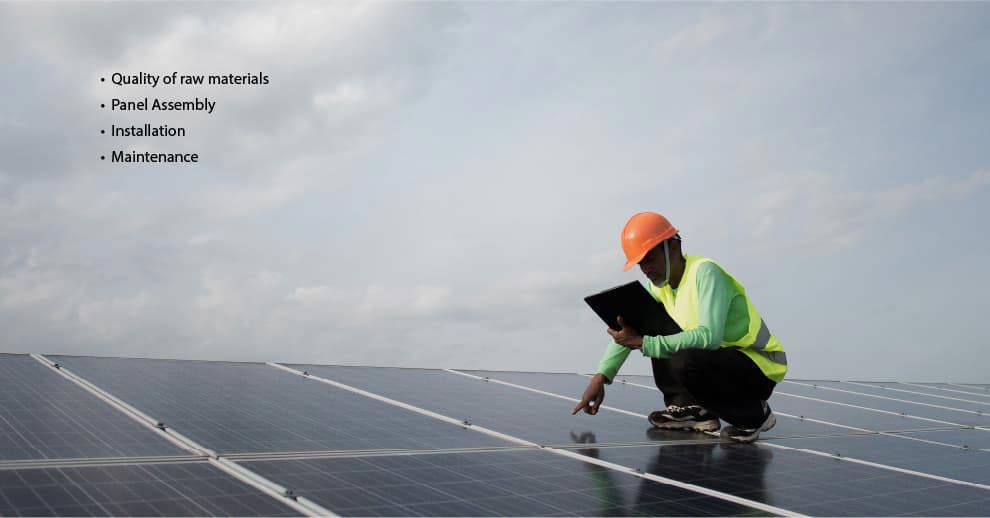
The quality of raw material is the key to the rate at which solar panels deteriorate. Quality of critical inputs solar cells, EVA encapsulate and glass determine the degree of exposure of the solar panel to the factors driving degradation. Solar cells in particular are available in different grades, based on the depth of the fabrication processes. A cheaper cell, though aesthetically sufficient, may deteriorate faster leading to significant power loss in the long run.
Even with high-quality materials, the processes used in assembling the inputs and making a solar panel determines the life span of the solar panels. Inappropriate panel assembly procedures could accelerate light and potential induced degradation.
Handling of the solar panels before and during the installation is very important to avoid physical damages, especially microcracks in cells and scratched to the glass top.
It is very important to place the solar panels to be installed with optimum inclination and clamping, to get the derive optimal performance.
While solar panels ask for minimum maintainance, it is essential to clean the solar panels regularly to remove build-up of dust or debris that can adversely effect the electrical output.
Degradation in solar panels manifests itself in forms of:
Microcracks develop in solar modules due to thermal cycling. Thermal cycling is a process of expansion and contraction in hot and cold weathers respectively. This process puts the solar cells under mechanical stress and develops in cracks, which leads to collapse of internal electrical connections leading power yield losses.
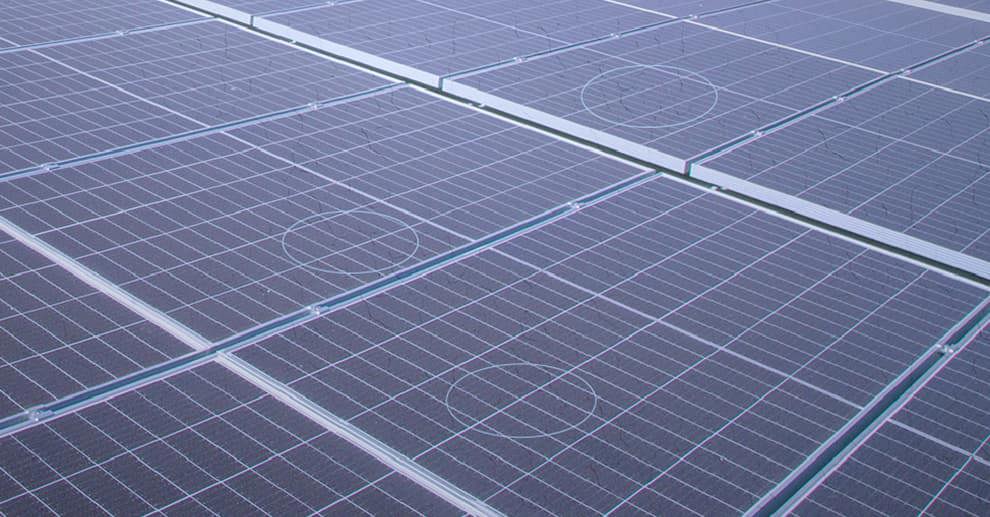
Module discoloration happens due to Ethyl Vinyl Acetate (EVA) sheets used in solar modules. Constant exposure to UV radiation leads to breakdown of UV tolerance of the EVA leading to discoloration, which is primarily visible on solar module surface. This leads to acetic acid formation, which in turn leads to accumulation of gases and corrosion of metallic contacts, which leads to decrease in module efficiency.
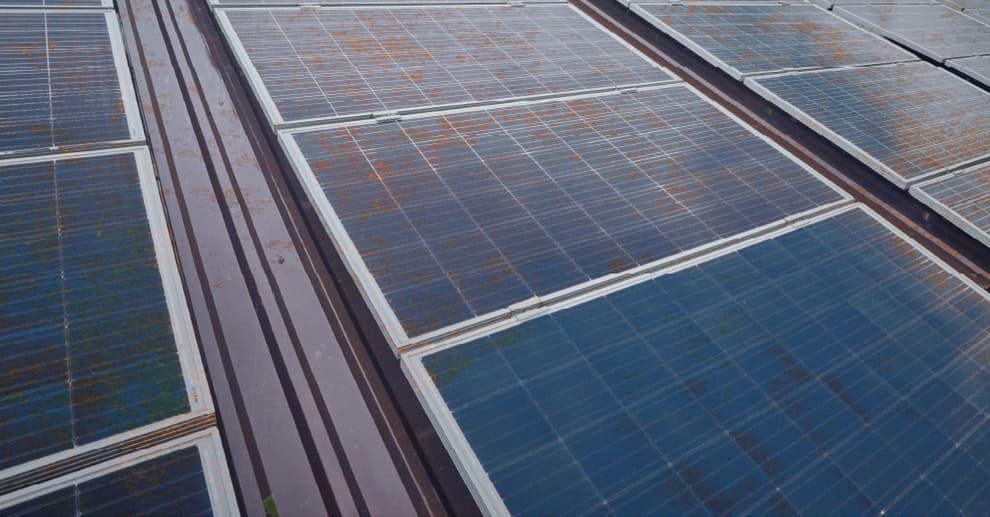
Potential Induced Degradation (PID) takes place as a result of system voltage, heat and humidity. This happens when the negative potential of the voltage attracts positive ions that obstruct the path of the electrons flowing towards the connectors, thereby disrupting junction functionality leading to decline in power yield of the solar module.
Sometimes the panel loses up to 30-80% of yield, as a result of disruption in the entire negative string of the cells. PID effect can spread across the panel leading to progressively decreasing yield over years.
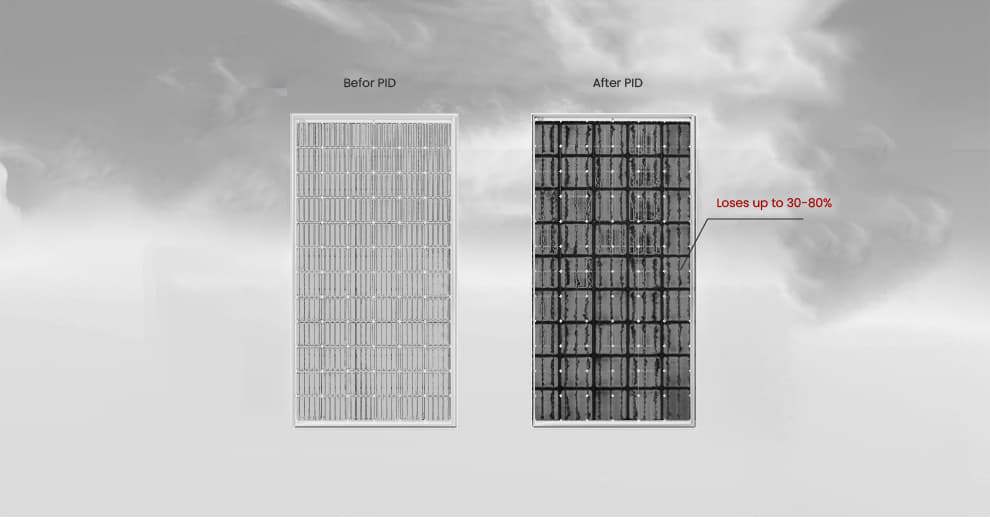
Light Induced Degradation(LID) occurs in the initial few hours sun exposure. If left untreated, LID can reach upto 10% in the first month itself.
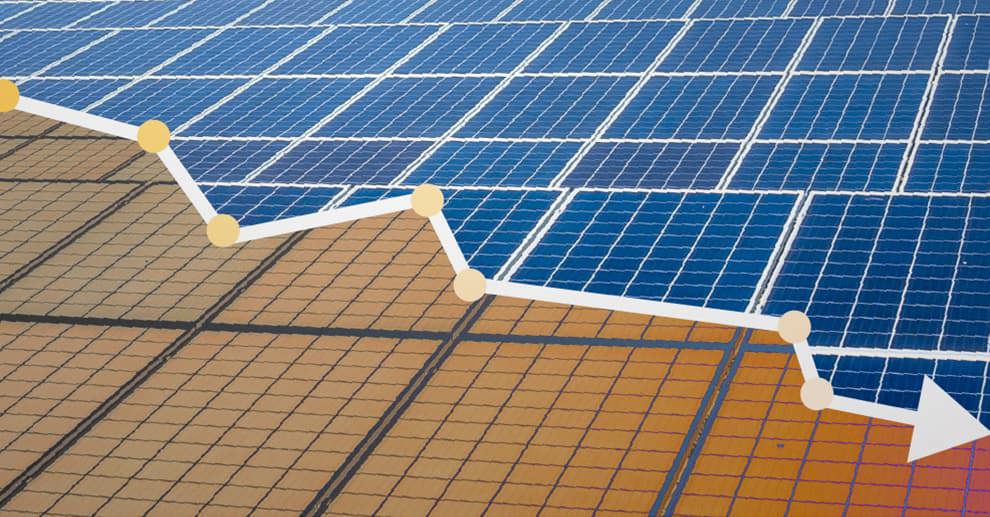
Procuring high-quality solar panels, ensuring proper installations and carrying out regular maintainance can help us mitigate untimely degradation, ensuring optimal efficiency throughout their lifespan.
Procuring high quality solar panels is the most important step in the process and also the most complicated. Customers should ideally purchase solar panels from well known sources only, exhibiting required certifications. Also it can be very useful to understand the sources’ experience in manufacturing of solar panels as it affects the understanding the manufacturer has about managing key process of module assembly.
LUBI Electronics is a leading company in India, exhibiting expertise in the automation, solar, and control panel industry.
Our solar offerings include best-in-class solar modules, solar pumps, solar pump controllers and solar inverters.
For more information on our offerings, please reach out to us at lubi@lubielectronics.com.
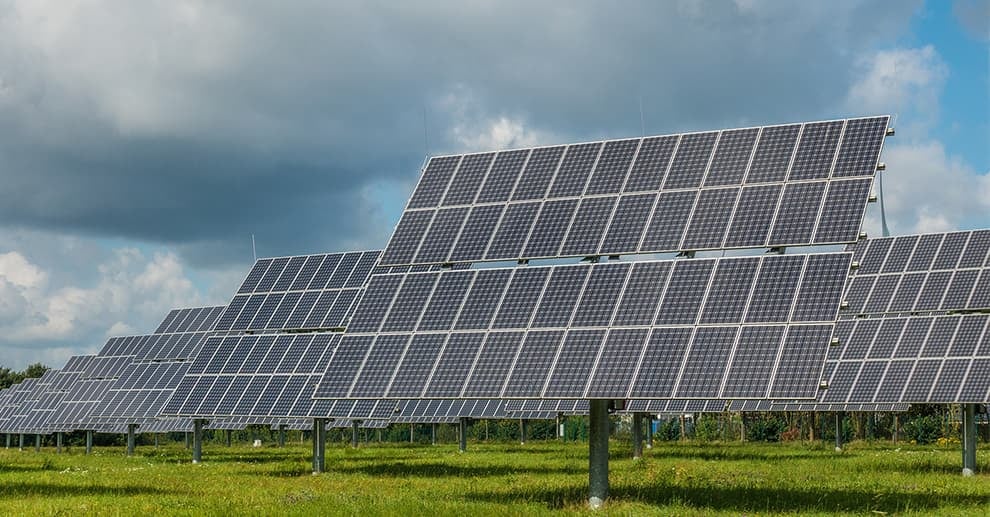
In this world, where the cost of energy is increasing by the day, it is wise to switch to alternative energy sources that promise you huge savings and potentially make your life super easy.
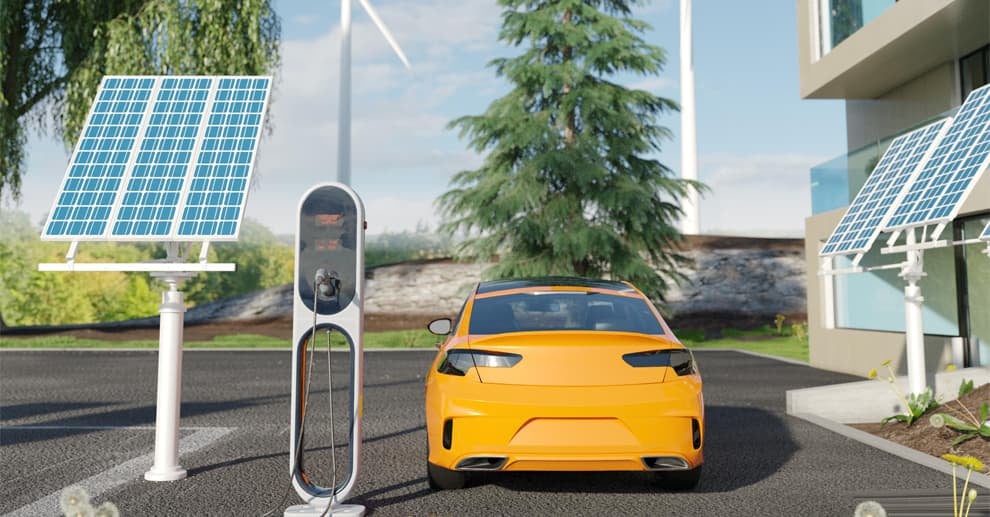
When we say “EV,” the first thing that comes to your mind is, obviously, “Electric Vehicle.” Electric vehicle (EV) is an emerging and revolutionary industry that improves fuel economy, lowers fuel costs, and reduces emissions.
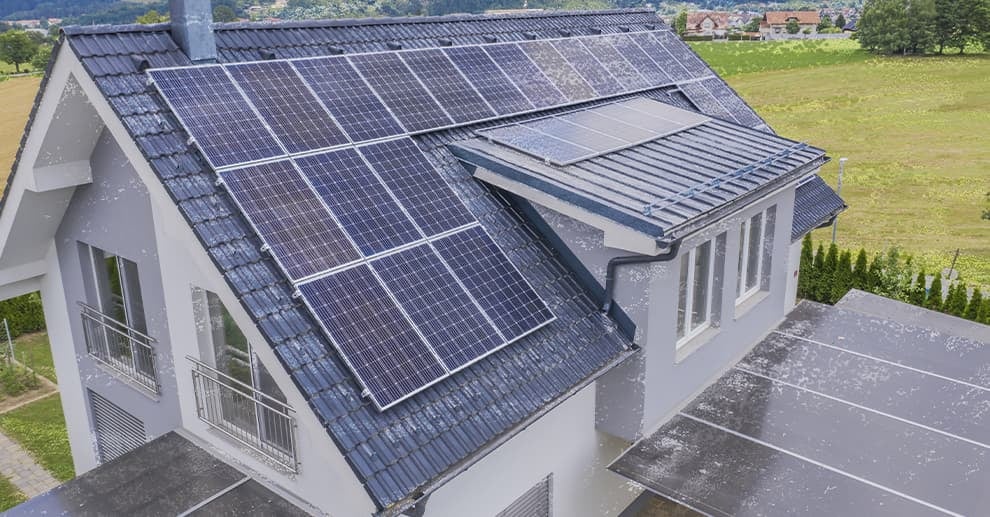
With the increasing petrol and electricity prices, millennials are moving towards green, renewable sources such as electric vehicles, wind energy, solar energy, and many other available options.